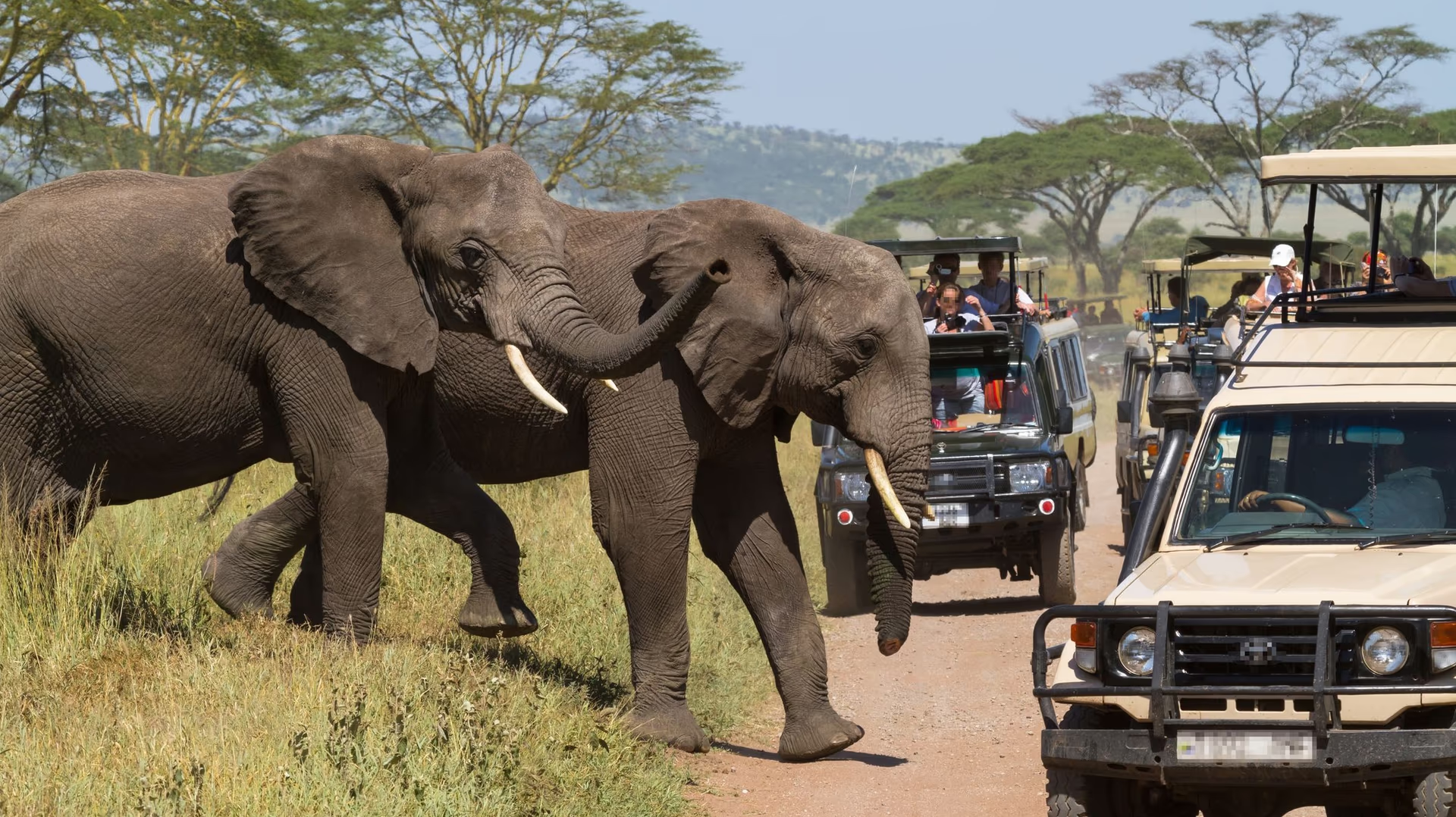
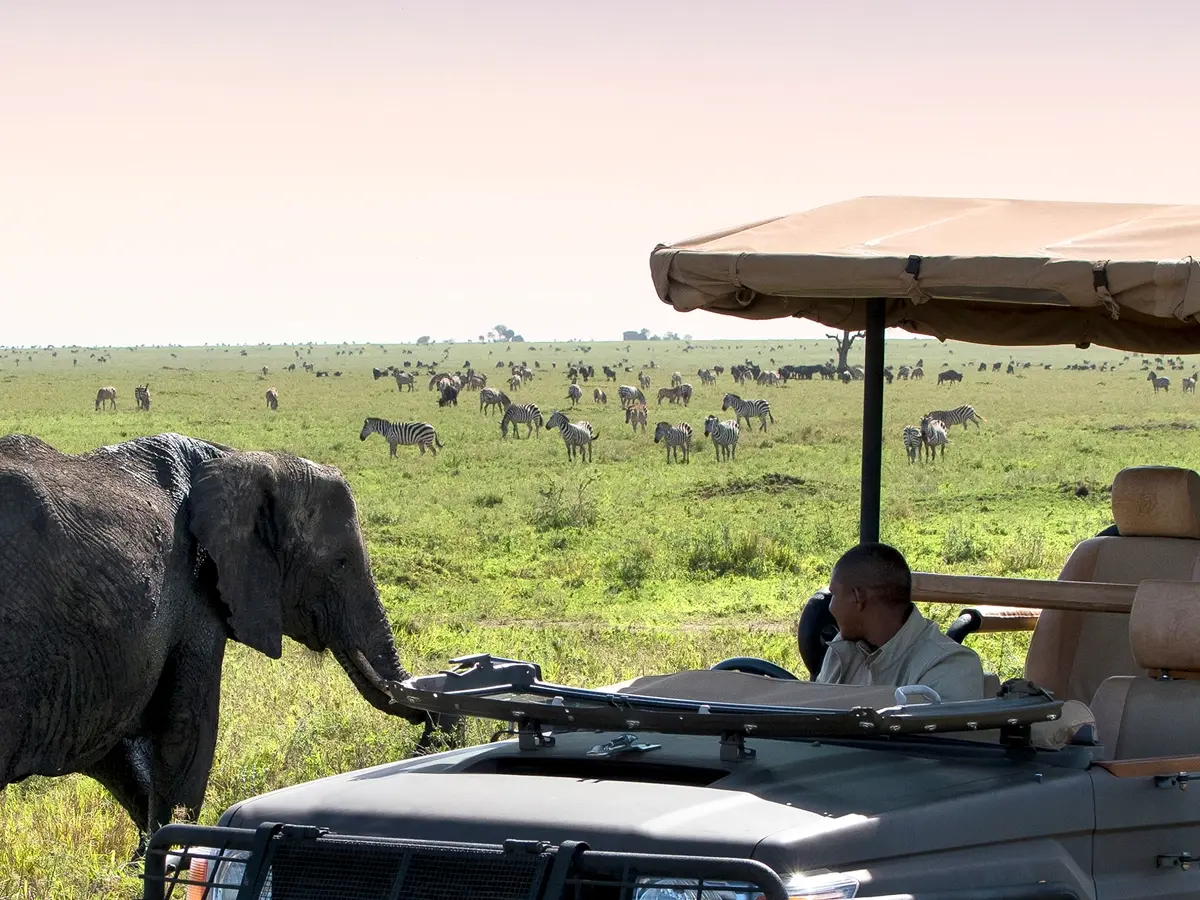
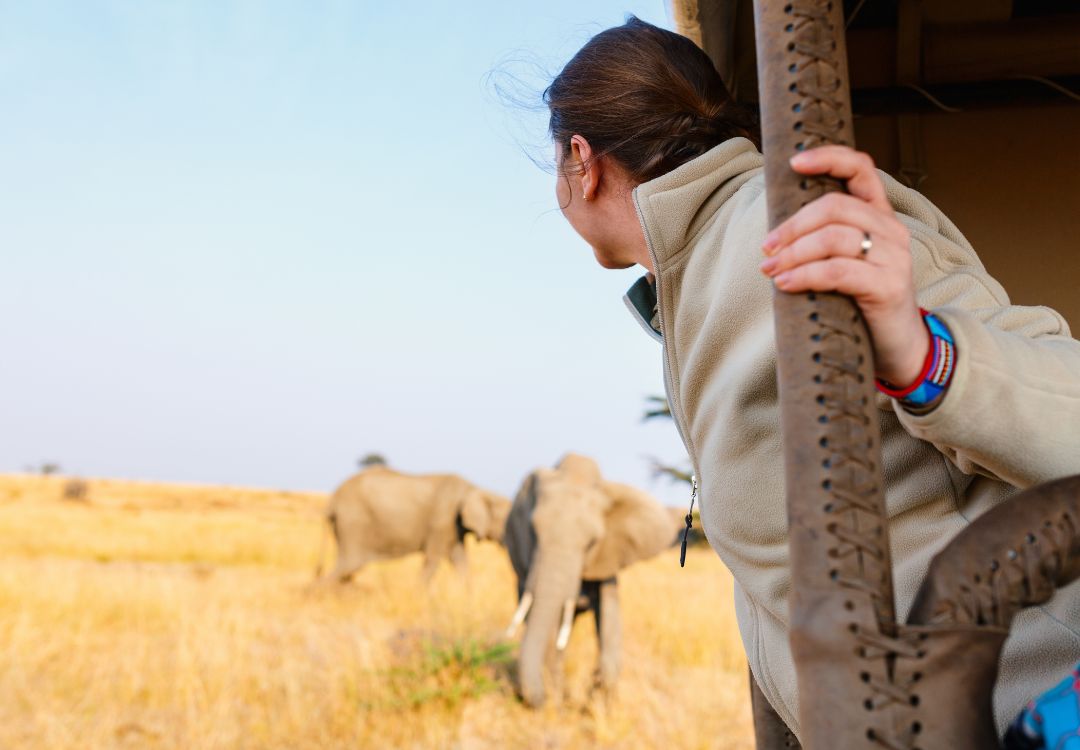
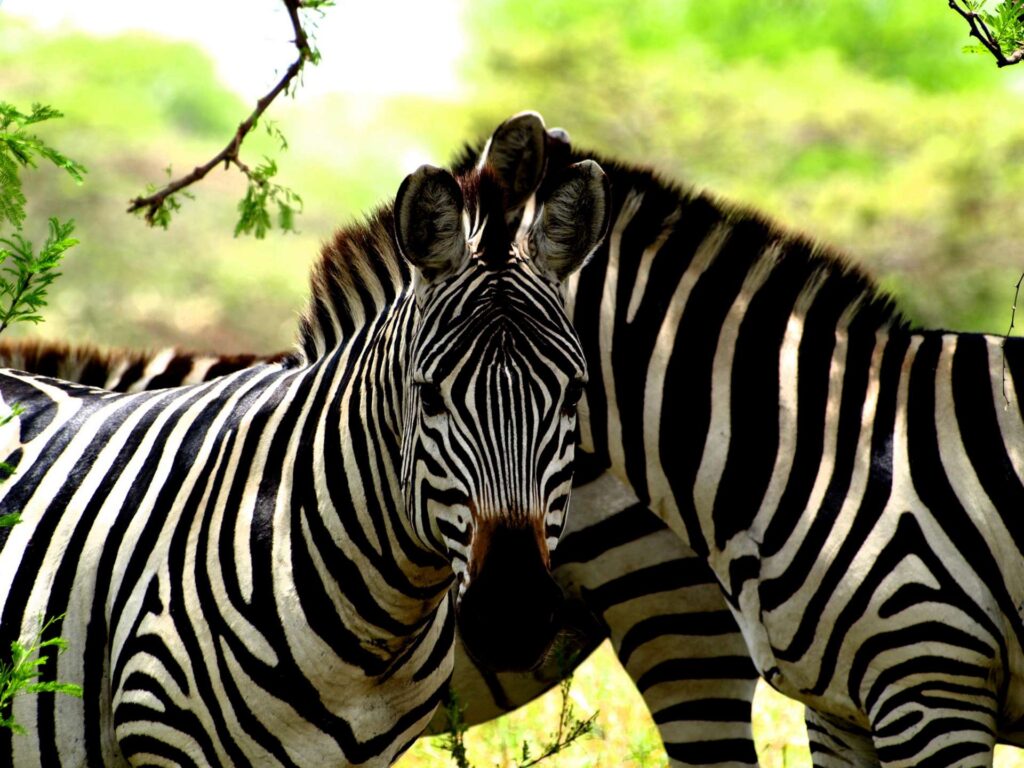
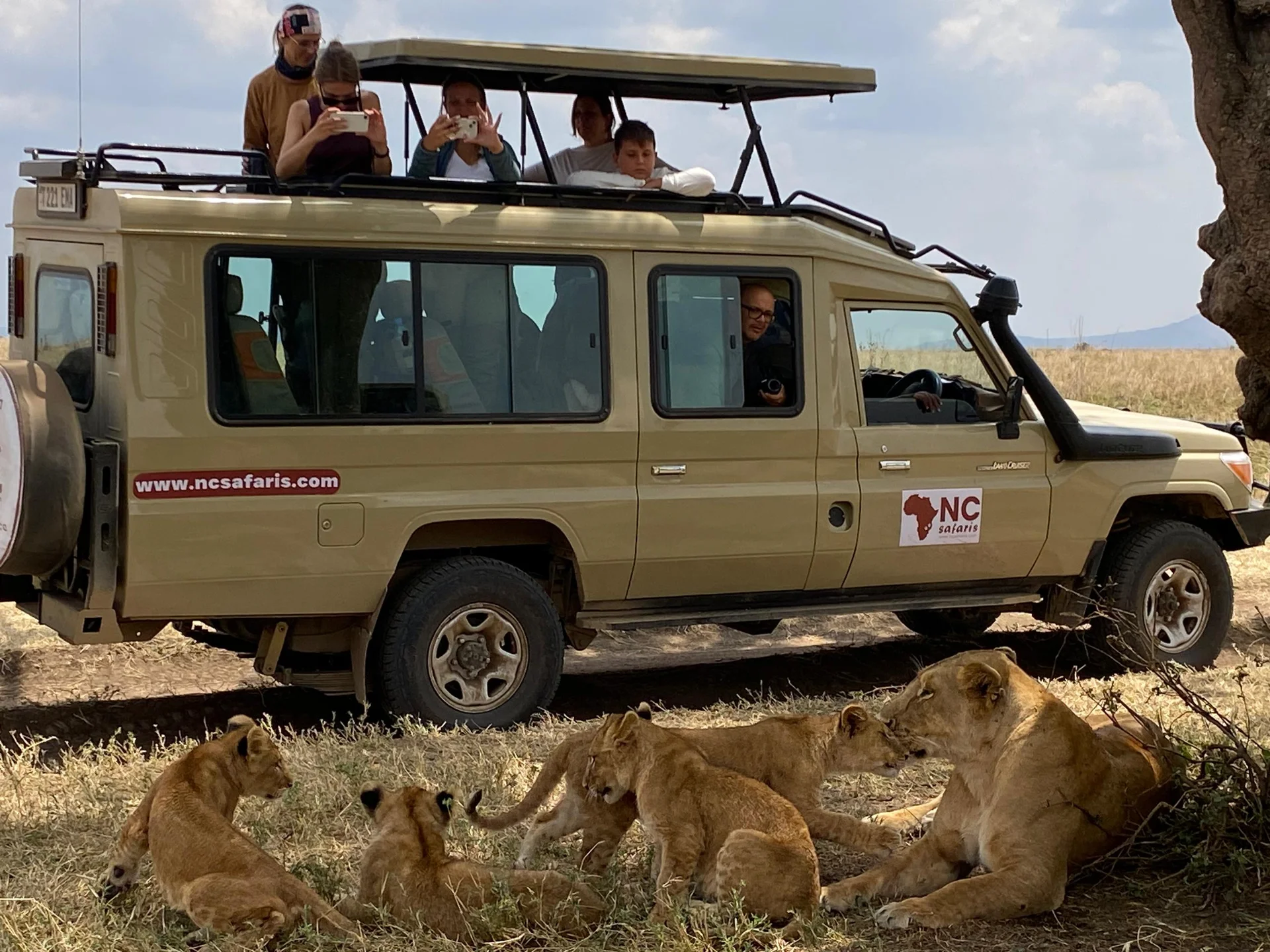
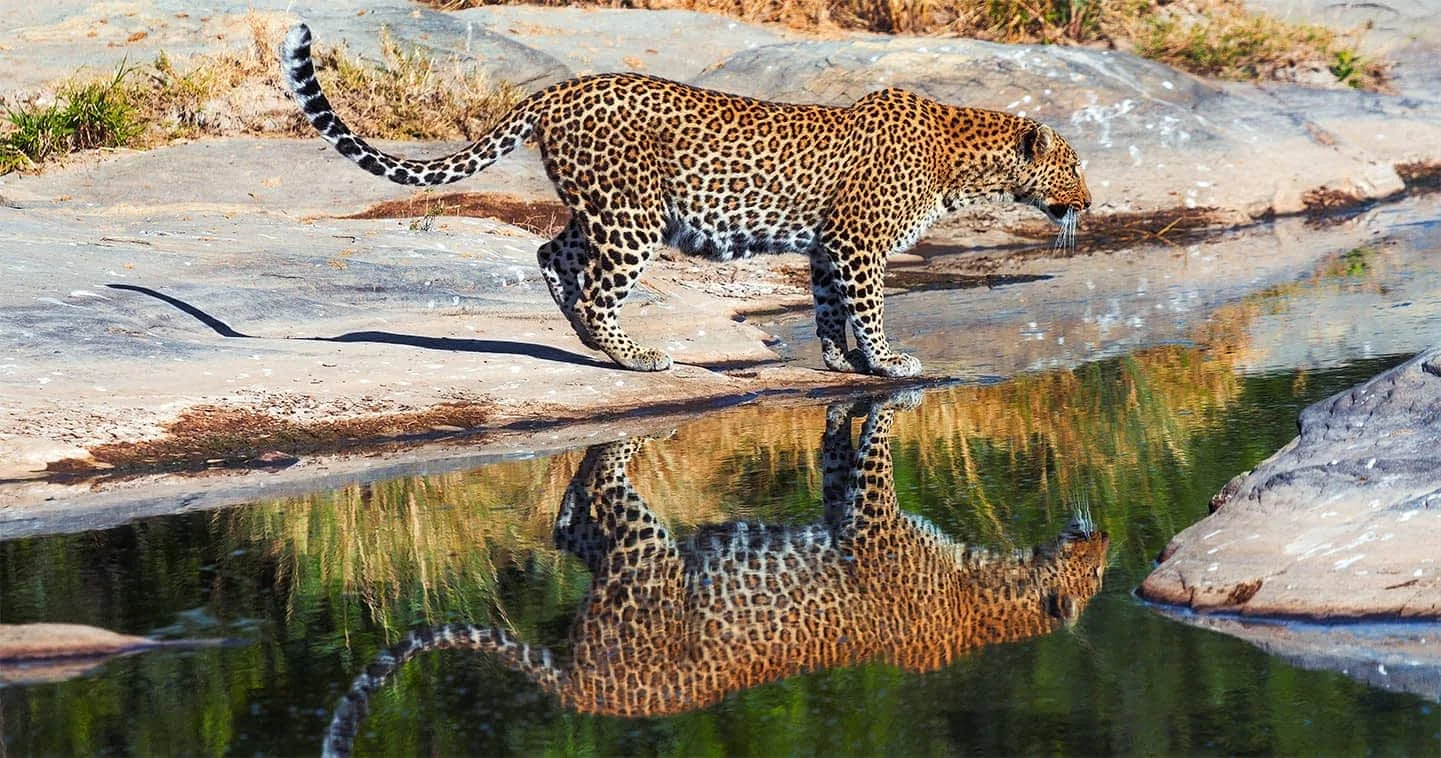
Game drives are guided wildlife-viewing activities conducted in a safari vehicle through Tanzania’s national parks, conservation areas, and wildlife reserves. Tanzania game drives provide opportunities to observe elephants, lions, leopards, buffalo, giraffes, zebras, wildebeest, hippos, birds, and other wildlife in their natural habitats.
June to October is generally a favorable period for game drives because dry conditions can make wildlife easier to locate around water sources.
January and February can also provide good wildlife viewing in northern Tanzania.
The rainy seasons transform the landscape with fresh vegetation and water availability.
November to December and March to May can offer green scenery, fewer visitors, and excellent birdwatching conditions.
Early morning game drives can provide cooler temperatures and active wildlife.
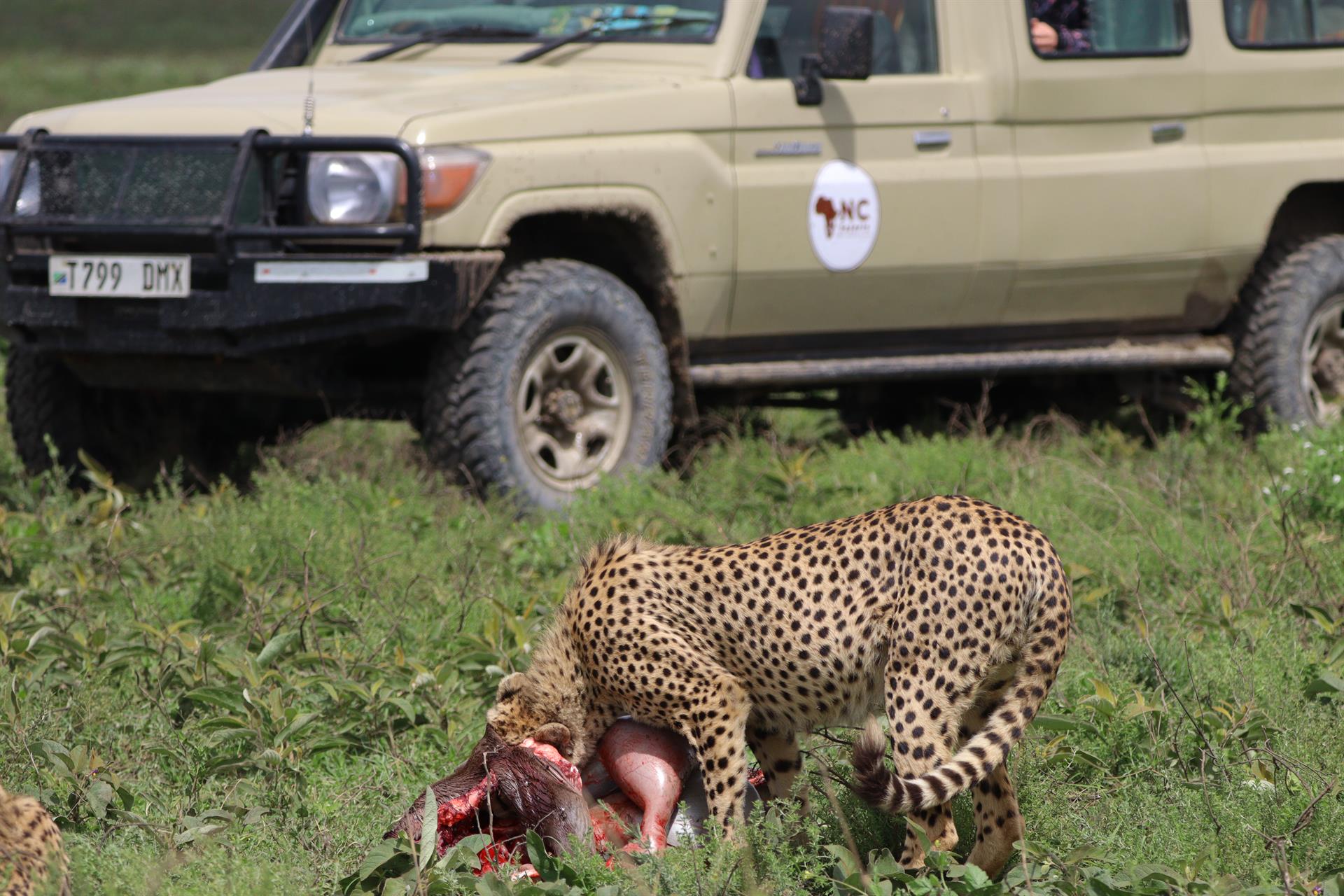
Predators such as lions, cheetahs, and leopards may be easier to observe before temperatures rise.
Afternoon drives provide opportunities to observe wildlife as temperatures become cooler.
Night game drives are only permitted in specific areas and under approved operators and regulations.
A Tanzania safari can combine several parks according to the travel period and wildlife interests.
Serengeti, Ngorongoro, and Tarangire form a popular northern Tanzania combination.
Game drives are the primary activity for searching for lion, leopard, elephant, buffalo, and rhinoceros.
Ngorongoro and Serengeti are particularly important destinations for travelers targeting Big Five sightings.
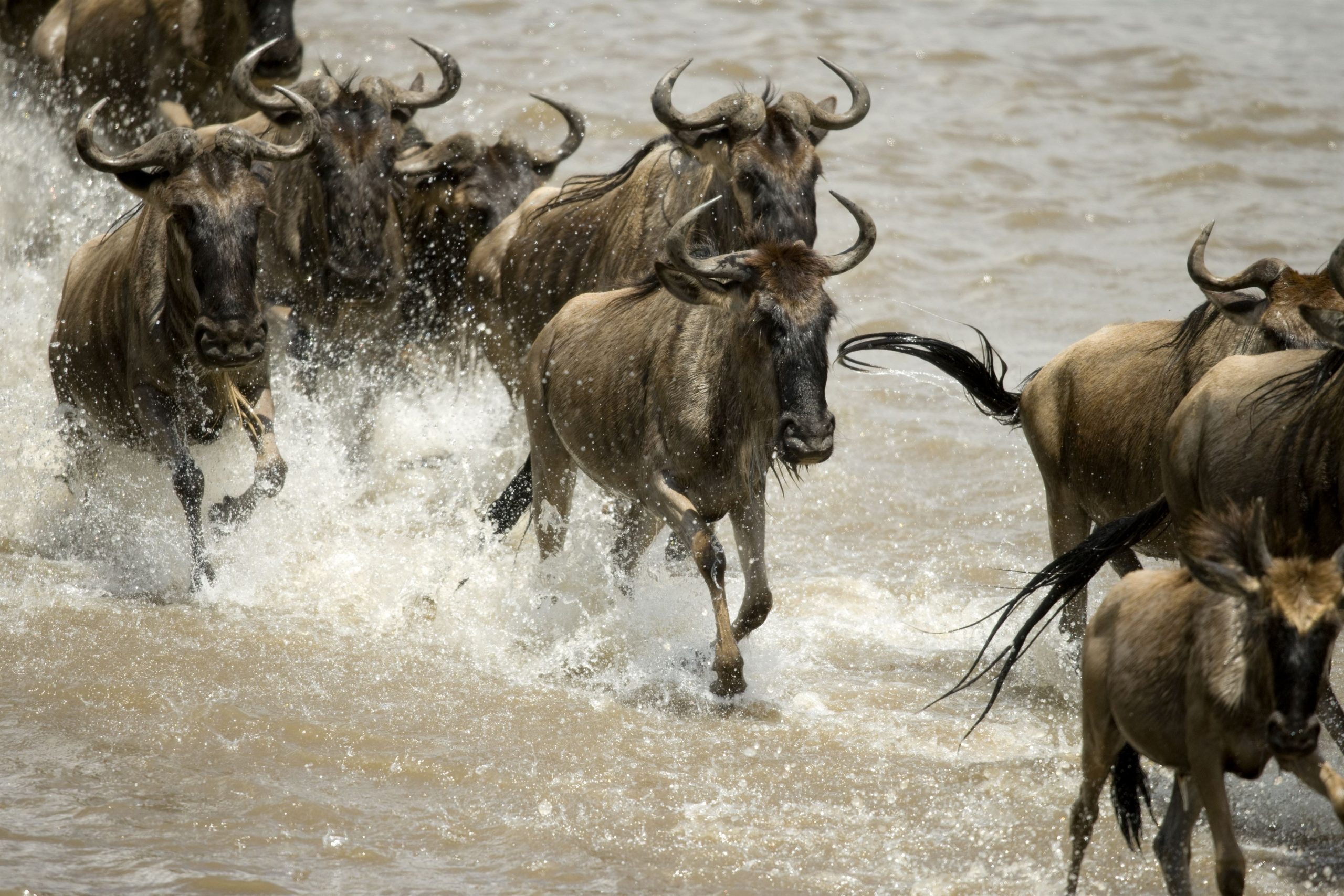
Game drives provide the main way to follow the Great Migration in the Serengeti.
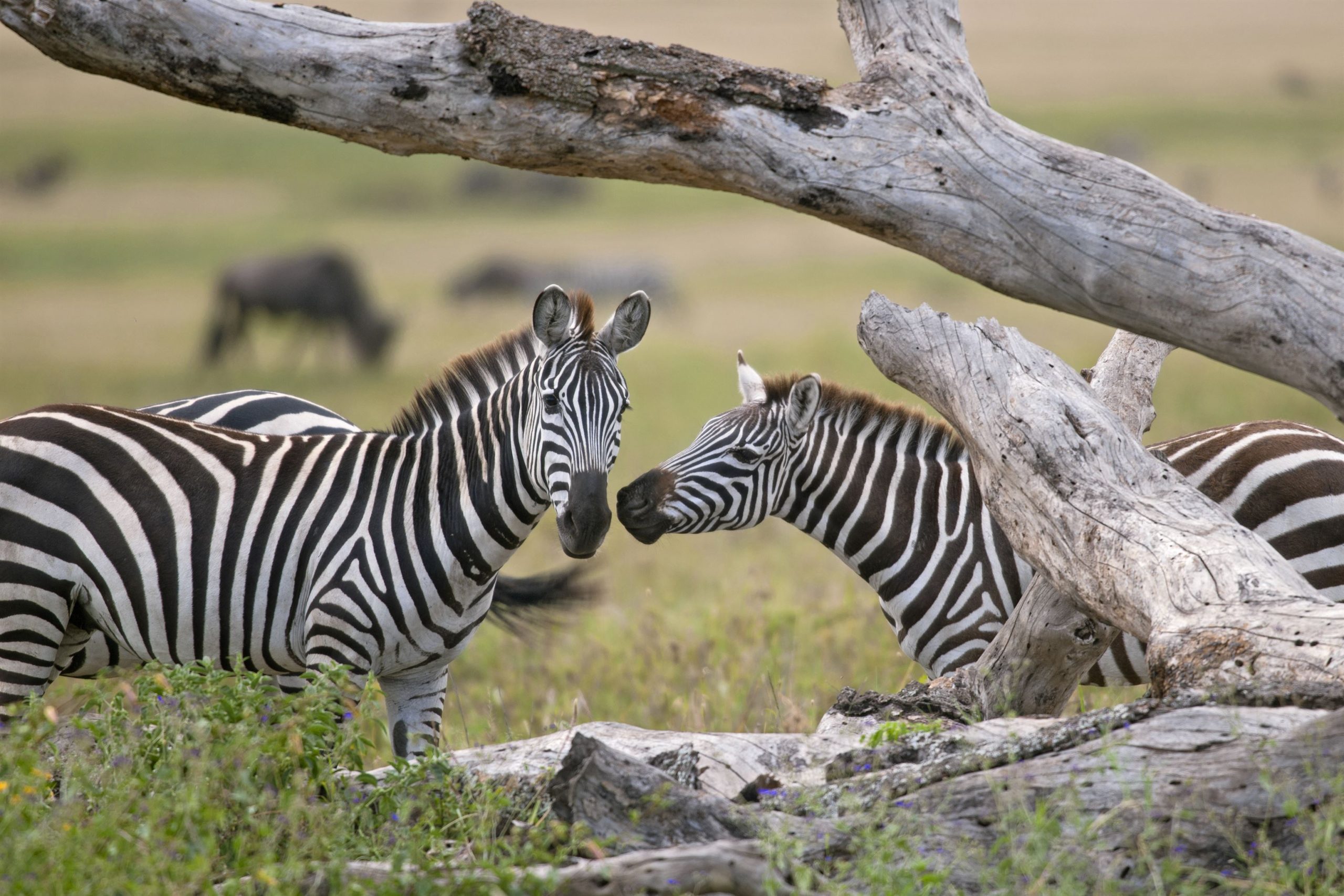
The most suitable safari area changes throughout the year as wildebeest, zebra, and gazelles move between seasonal grazing areas.
Photography-focused game drives allow travelers to spend more time observing wildlife and positioning the vehicle for better viewing opportunities.
Private vehicles are useful when travelers want greater flexibility with departure times and viewing duration.
Private safari vehicles allow couples, families, and small groups to control the pace of their game drives.
This option is useful for photography, birdwatching, family safaris, and travelers with specific wildlife priorities.
A Tanzania safari can combine several parks according to the travel period and wildlife interests.
Serengeti, Ngorongoro, and Tarangire form a popular northern Tanzania combination.
Game drives are the primary activity for searching for lion, leopard, elephant, buffalo, and rhinoceros.
Ngorongoro and Serengeti are particularly important destinations for travelers targeting Big Five sightings.
Game drives provide the main way to follow the Great Migration in the Serengeti.
The most suitable safari area changes throughout the year as wildebeest, zebra, and gazelles move between seasonal grazing areas.
Photography-focused game drives allow travelers to spend more time observing wildlife and positioning the vehicle for better viewing opportunities.
Private vehicles are useful when travelers want greater flexibility with departure times and viewing duration.
Private safari vehicles allow couples, families, and small groups to control the pace of their game drives.
This option is useful for photography, birdwatching, family safaris, and travelers with specific wildlife priorities.
Select parks according to the wildlife and landscape you want to experience.
Serengeti suits large-scale wildlife and migration experiences, Tarangire is strong for elephants, while Ngorongoro provides concentrated wildlife viewing.
Spending several days on safari provides more opportunities to explore different habitats and encounter wildlife under changing conditions.
Short itineraries should prioritize parks that fit efficiently into the available travel time.
A skilled guide can identify animal tracks, calls, behavior, habitats, and seasonal wildlife movements.
Guides also help maintain appropriate distances and follow park regulations.
Bring binoculars, a camera, sunscreen, a hat, sunglasses, drinking water, and lightweight layered clothing.
Neutral-colored clothing is practical for outdoor wildlife viewing.
Remain inside the safari vehicle unless your guide identifies a permitted and safe location for getting out.
Never feed wildlife, make loud noises to attract animals, or attempt to approach animals on foot.
Game drives can be combined with walking safaris, boat safaris, hot air balloon safaris, cultural tours, and other activities depending on the destination.
Combining activities provides different ways to experience Tanzania’s wildlife, landscapes, and ecosystems.

Not sure where your adventure should begin? Explore our handpicked itineraries, thoughtfully shaped around Tanzania’s most remarkable places, wildlife encounters, and unforgettable moments. Use them as inspiration for your own journey, or let us tailor one around the way you want to travel.