Photography Safaris

Home » Safari Experiences » Photography Safaris

Photography Safaris

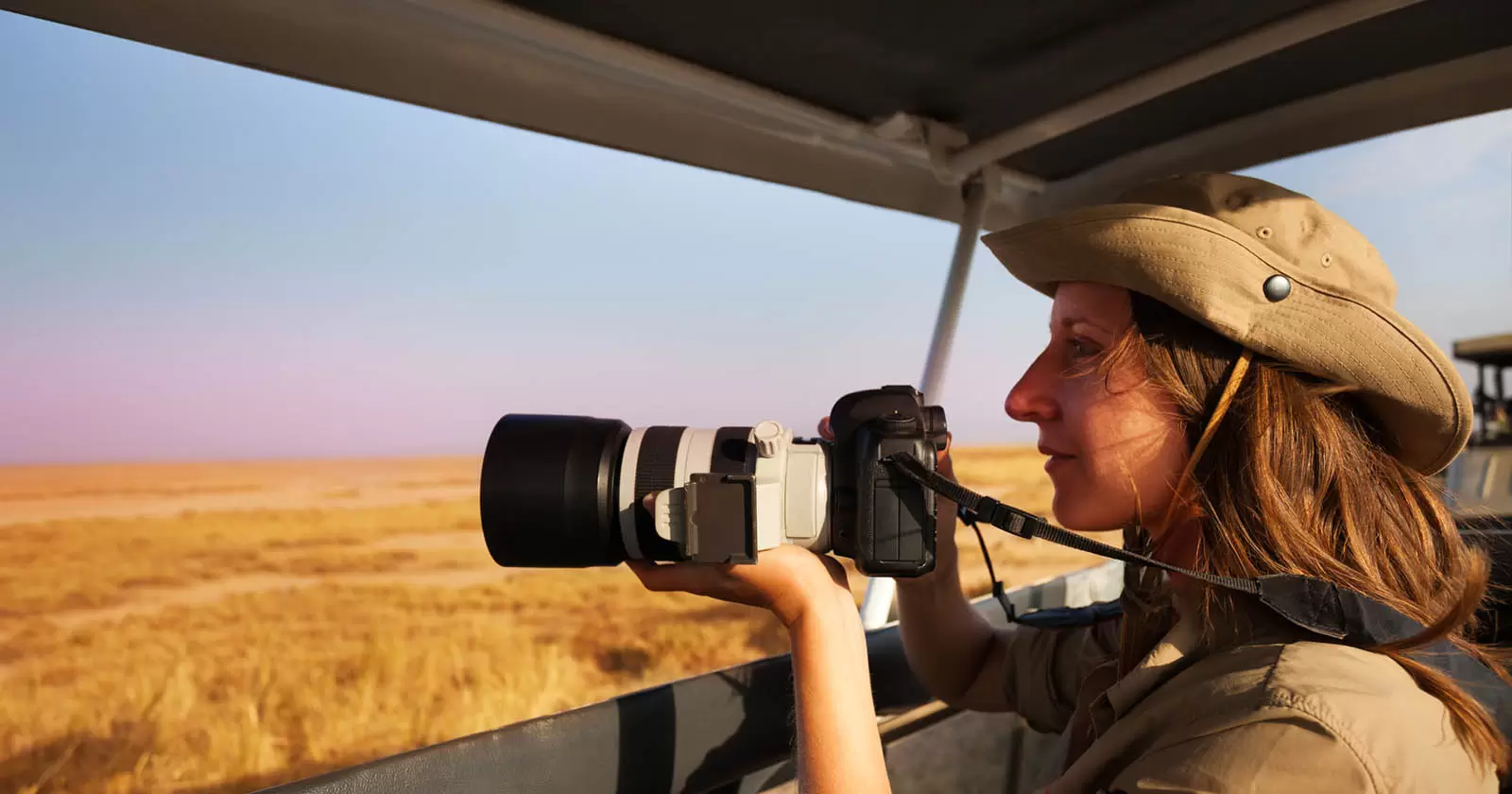
Photography safaris focus on capturing wildlife, landscapes, birds, people, and natural events in Tanzania’s national parks and conservation areas. Tanzania photography safaris can be designed around wildlife behavior, the Great Migration, predators, landscapes, birdlife, or specific photography conditions.

Where to Visit

Serengeti National Park

Serengeti is one of Tanzania’s strongest destinations for wildlife photography.

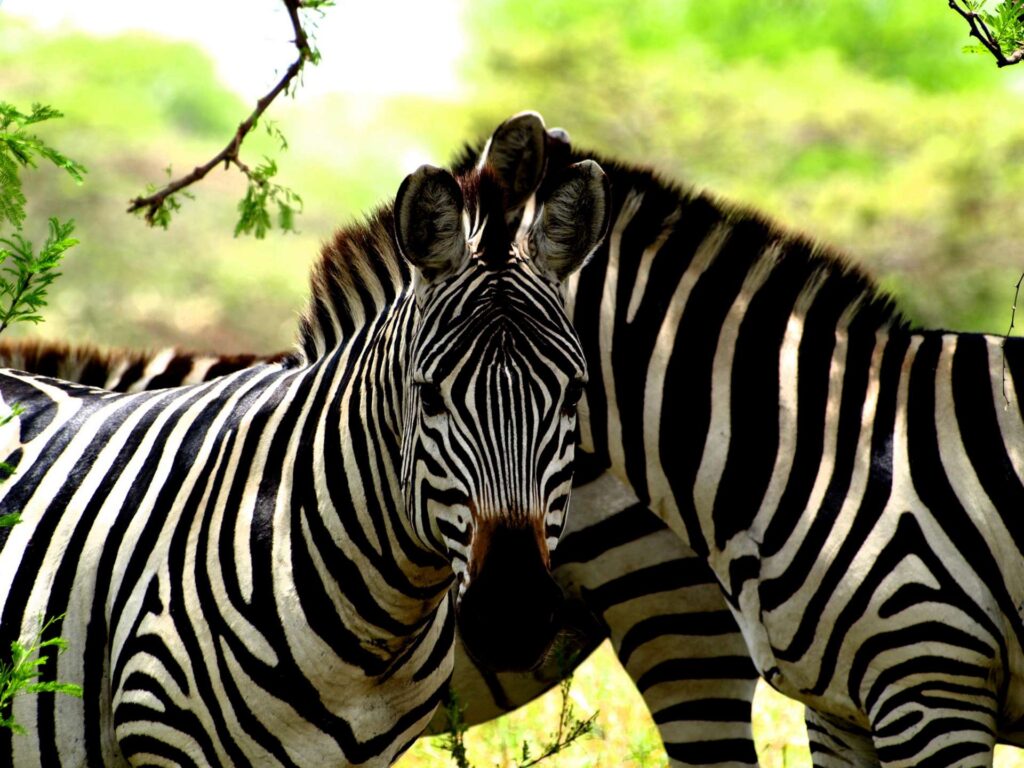
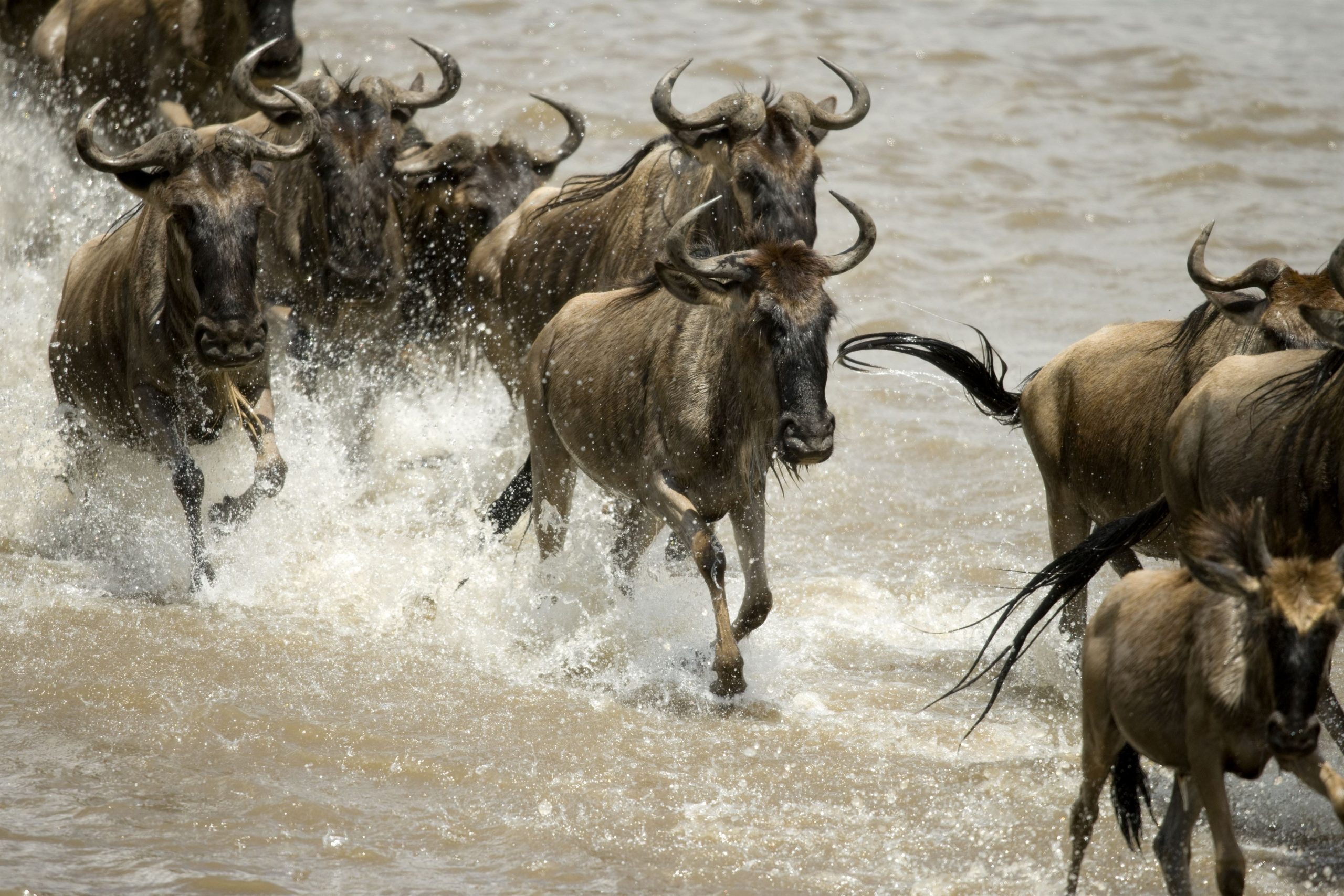
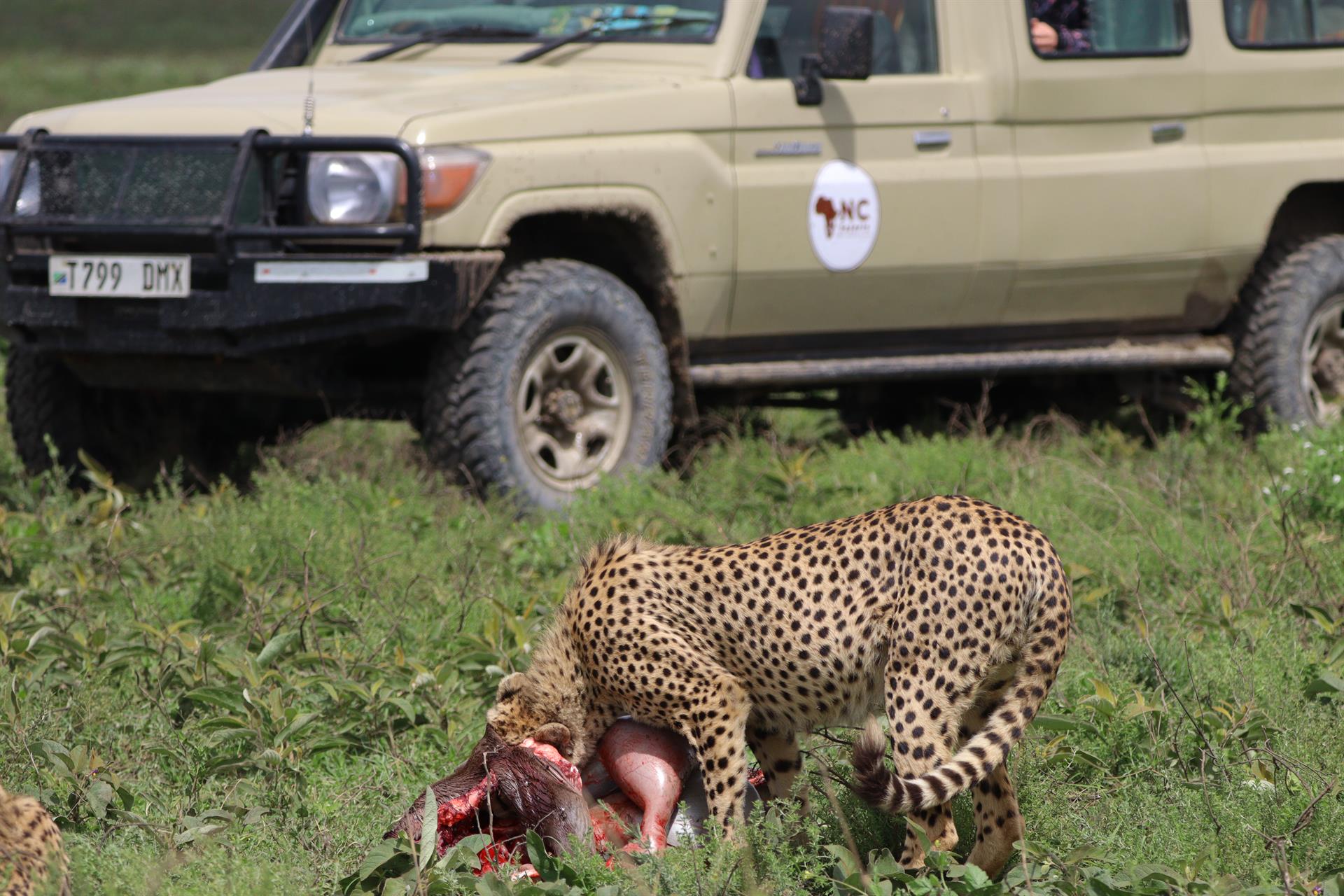
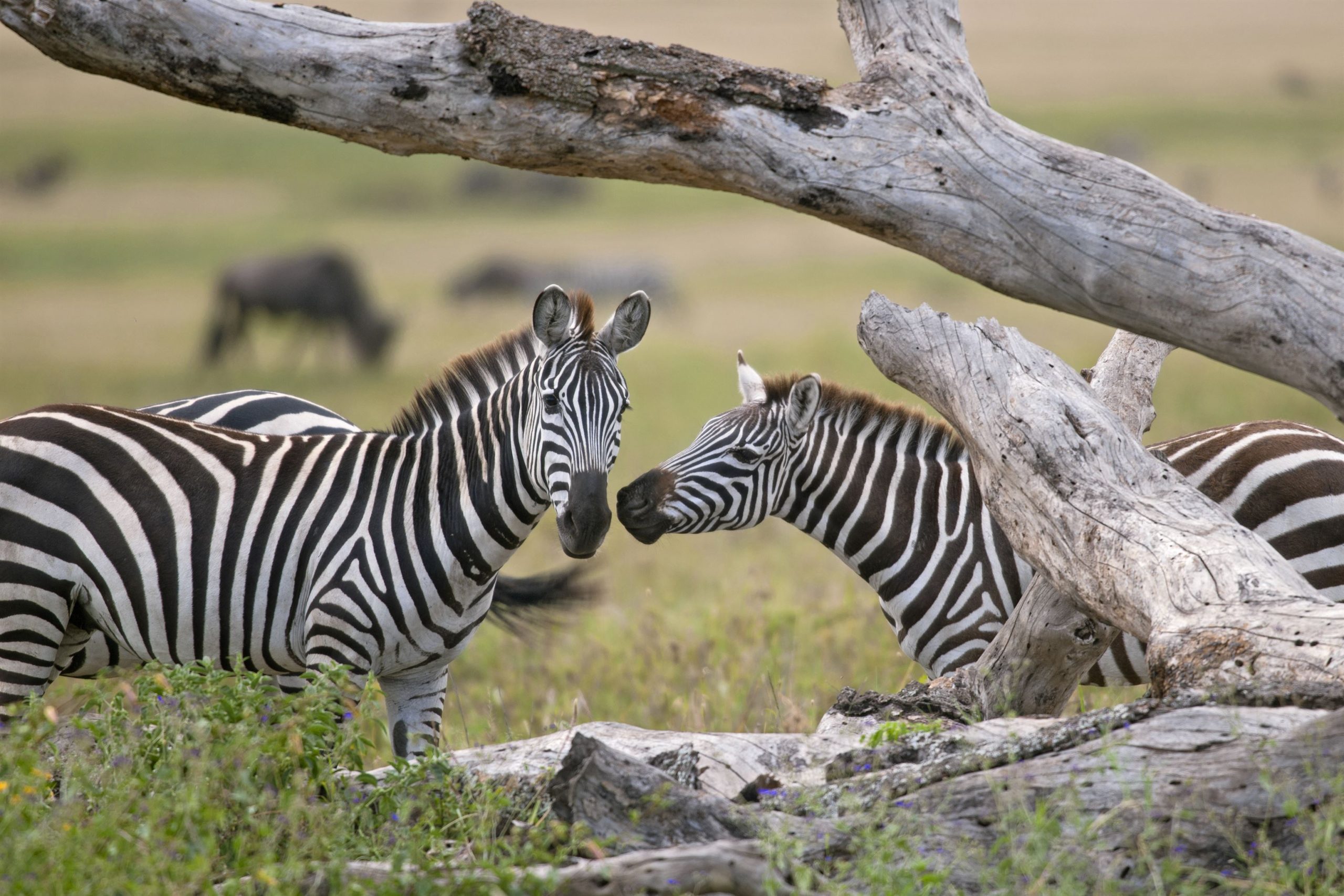
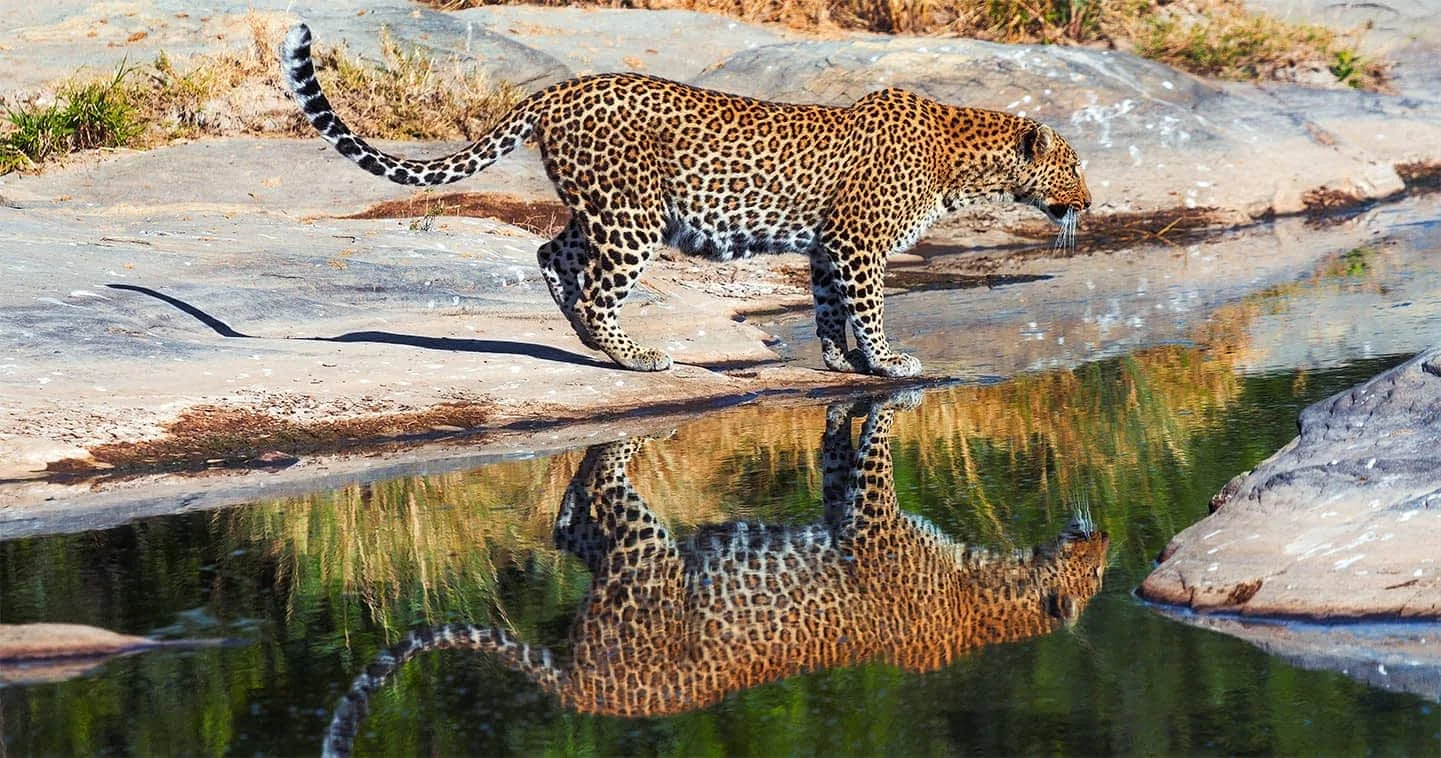
Open plains, large wildlife populations, predator activity, and the Great Migration provide opportunities to photograph wildebeest, zebras, lions, cheetahs, leopards, elephants, and other species.

Ngorongoro Conservation Area

Ngorongoro offers varied photographic environments ranging from the crater floor to highland forests and volcanic landscapes.

The concentration of wildlife within the crater can provide opportunities for photographing lions, elephants, buffalo, zebras, wildebeest, hippos, and black rhinoceros.

Tarangire National Park

Tarangire is particularly suitable for elephant and landscape photography.

Large baobabs, seasonal wetlands, savanna, and wildlife concentrations around the Tarangire River create varied compositions throughout the day.

Nyerere National Park

Nyerere provides opportunities for wildlife, bird, river, and landscape photography.

The Rufiji River and surrounding wetlands can add water-based photography opportunities to conventional game drives.

Ruaha National Park

Ruaha offers remote landscapes, large elephant populations, predators, and diverse birdlife.

Its lower visitor density can be useful for photographers seeking extended wildlife-viewing sessions.

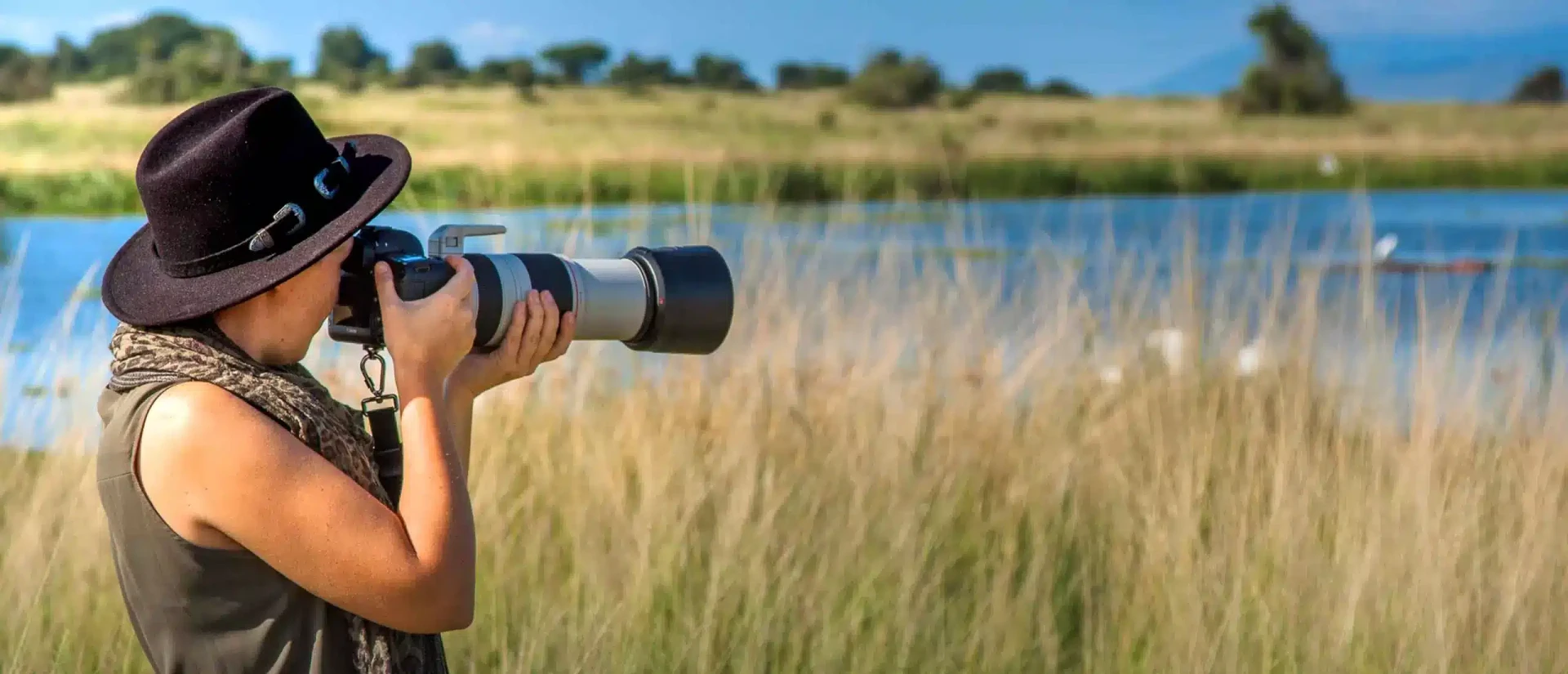
Tanzania Photography Experiences capturing wildlife and landscapes on safari

When to Visit

Best Time for Photography Safaris

June to October generally provides dry conditions, good wildlife visibility, and strong opportunities for wildlife photography.

January to February can also be productive, particularly for photographing the Great Migration calving season in the southern Serengeti.

Great Migration Photography

The migration changes location throughout the year.

January to March is associated with calving in the southern Serengeti, while July to October can provide opportunities around the northern Serengeti and Mara River.

River crossings are unpredictable, so photographers should allow several days in the appropriate area.

Green Season Photography

November to May can produce greener landscapes, dramatic skies, and younger wildlife.

The period can also provide strong bird photography because migratory species are present.

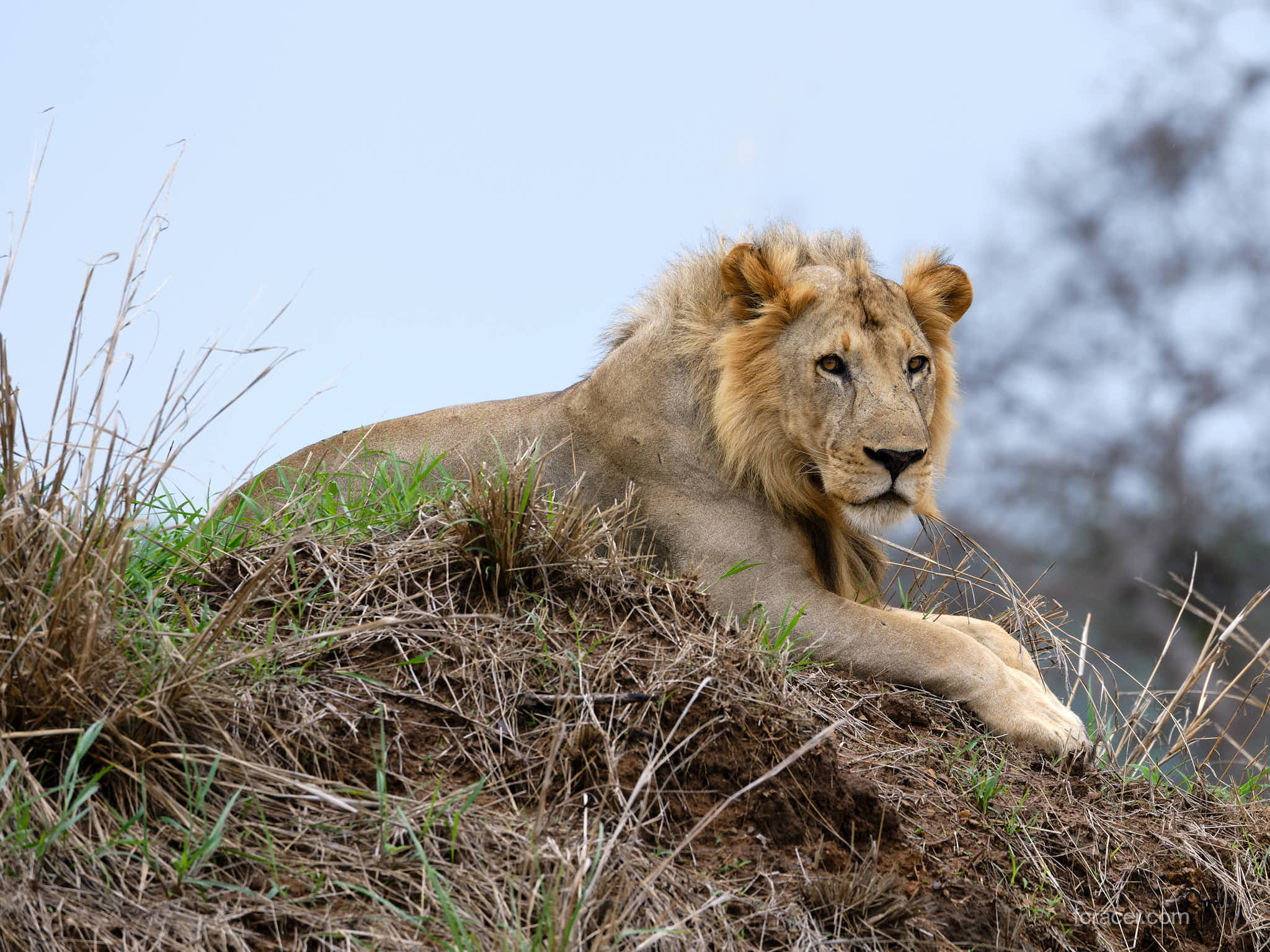
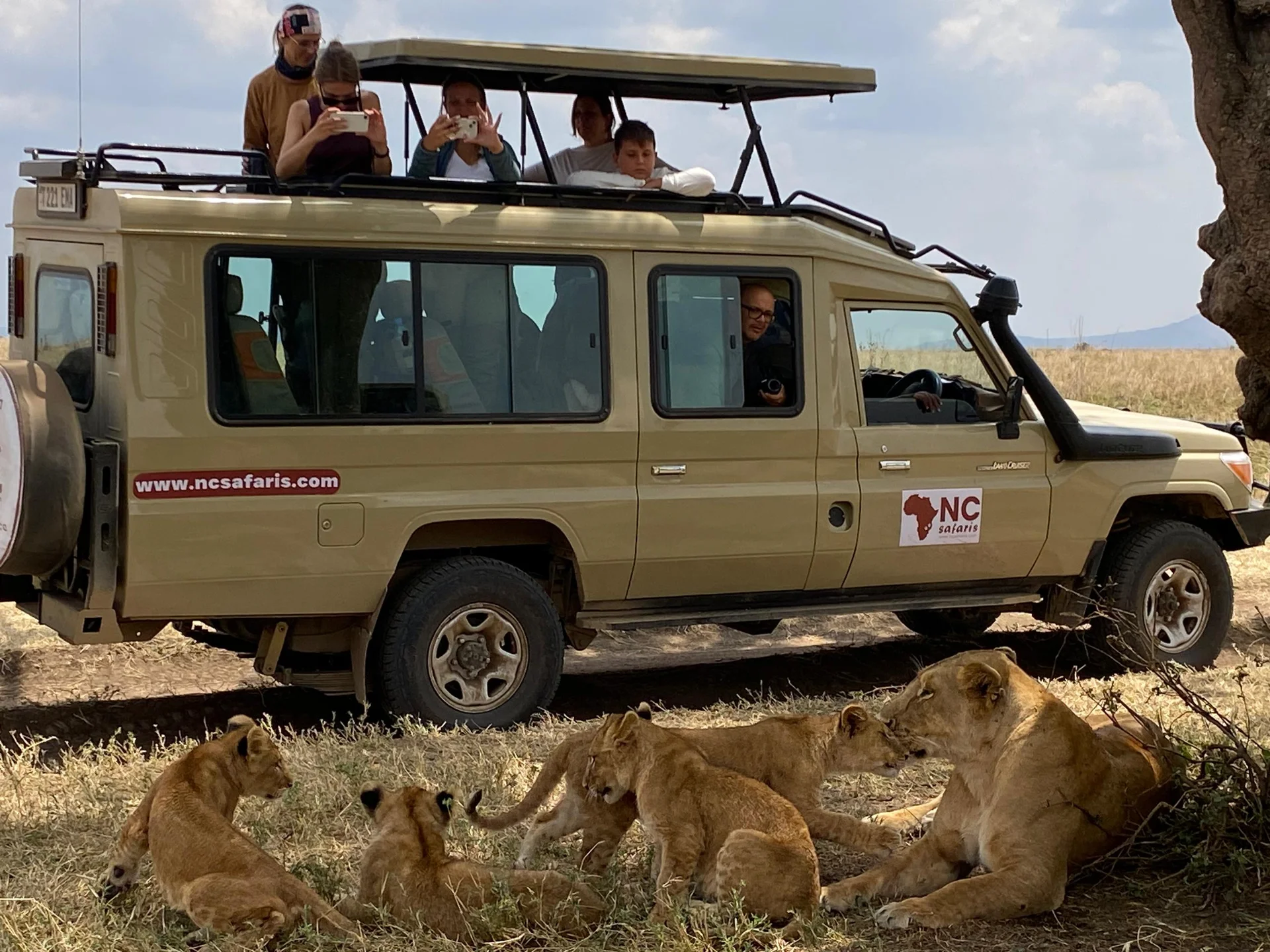
Lion during a Tanzania Photography Safari Experience in the Serengeti

Tours & Safaris

Tanzania Photography Safaris

Photography safaris can cover Serengeti, Ngorongoro, Tarangire, Nyerere, Ruaha, or several destinations within one itinerary.

The route should be selected according to the target species, season, and preferred photographic style.

Private Photography Safaris

A private safari vehicle provides greater flexibility for positioning, waiting, changing locations, and spending additional time with wildlife.

This is particularly useful when photographing specific animals or behaviors.

Great Migration Photography Safaris

Migration photography itineraries can be structured around calving, herd movements, predator activity, or river crossings.

Longer stays increase opportunities because wildlife movement and weather conditions cannot be predicted precisely.

Bird Photography Safaris

Tanzania supports diverse birdlife across forests, wetlands, grasslands, and lakes.

Specialist bird photography safaris can include Lake Manyara, Tarangire, Serengeti, Arusha National Park, and other productive habitats.

Landscape Photography Safaris

Tanzania provides diverse photographic landscapes including Serengeti plains, Ngorongoro Crater, Mount Kilimanjaro, Tarangire baobabs, Rift Valley scenery, and coastal environments.

Early morning and late afternoon often provide favorable natural light for landscape photography.

Travel Advice

Choose a Private Vehicle

A private vehicle gives photographers more control over the safari schedule and viewing position.

Shared vehicles can limit how long the group remains at a particular sighting.

Bring the Right Camera Equipment

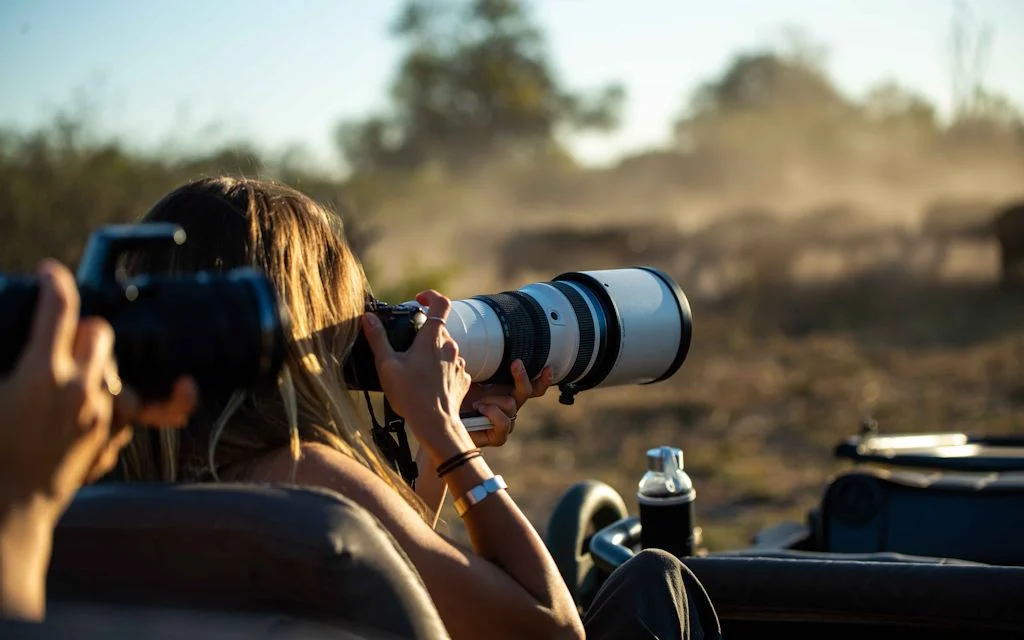
Useful equipment includes a telephoto lens for wildlife, a wide-angle lens for landscapes, spare batteries, memory cards, and protective equipment for dust and rain.

A beanbag or other stable support can be useful for long-lens photography from a safari vehicle.

Protect Your Equipment

Safari environments can expose cameras and lenses to dust, humidity, rain, and temperature changes.

Use protective bags and clean equipment carefully after dusty game drives.

Respect Wildlife

Do not ask guides to approach animals too closely or block wildlife movement for photographs.

Avoid flash photography around wildlife unless specifically permitted and appropriate.

Plan Around Light

Early morning and late afternoon often provide softer light and longer shadows.

Midday can be useful for behavioral observations and certain bird photography but may produce harsher light.

Work With Your Guide

Tell your guide what you want to photograph before the safari begins.

A knowledgeable guide can help identify tracks, animal behavior, positioning opportunities, and suitable habitats while maintaining wildlife safety and park regulations.

Enquiry

Suggested Itineraries

Journeys Worth Taking

Not sure where your adventure should begin? Explore our handpicked itineraries, thoughtfully shaped around Tanzania’s most remarkable places, wildlife encounters, and unforgettable moments. Use them as inspiration for your own journey, or let us tailor one around the way you want to travel.