
Tanzania offers unforgettable wildlife and adventure experiences, but travelling responsibly helps make your journey safer and more enjoyable. From following wildlife guidelines and listening to your safari guide to protecting your belongings and preparing for changing conditions, these practical safety tips will help you travel Tanzania with greater confidence.
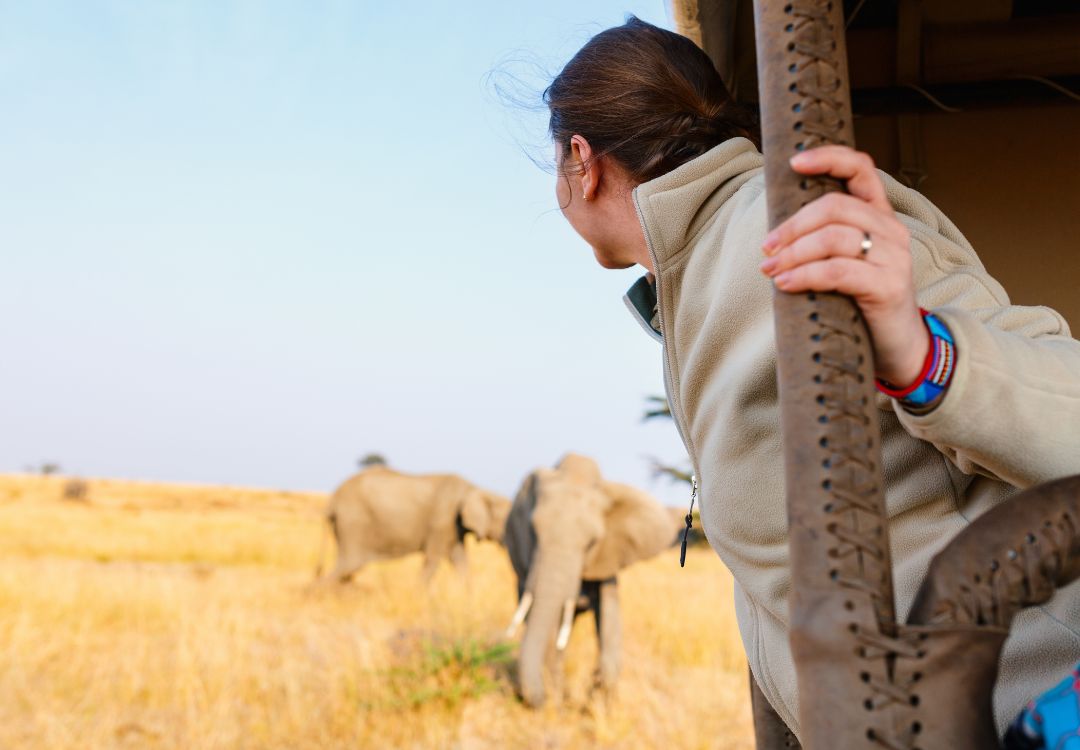
Wild animals are unpredictable and should always be observed from a safe distance. Never approach, chase, or attempt to attract an animal for a closer photograph.
Your safari guide understands the environment, wildlife behaviour, and park regulations. Always follow their instructions, particularly during game drives and walking experiences.
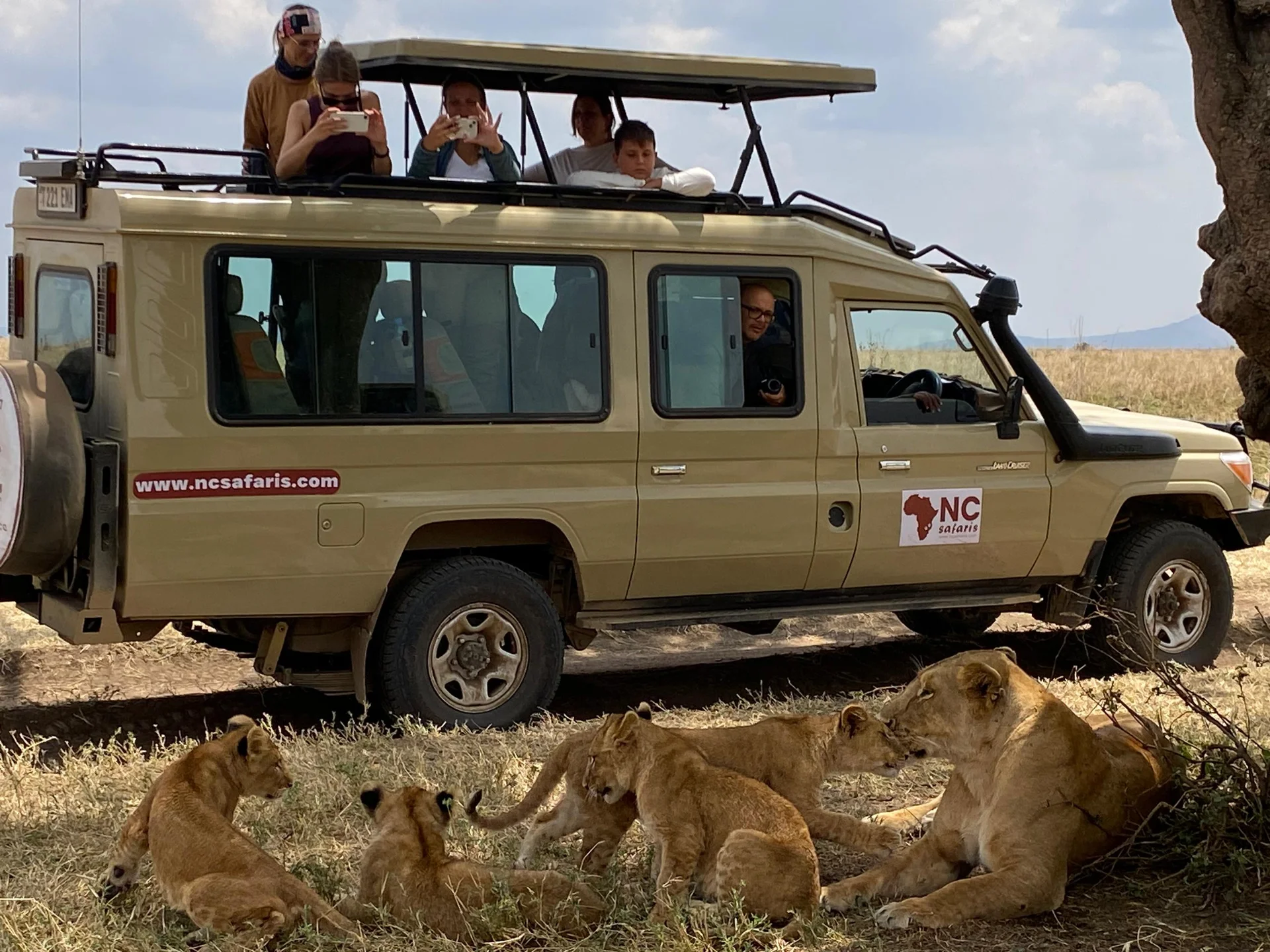
Unless your guide confirms that it is safe to leave the vehicle, remain inside during game drives. Avoid standing up unnecessarily or making sudden movements around wildlife.
Feeding wildlife can alter natural behaviour and create risks for both animals and visitors. Enjoy wildlife without interfering with their natural environment.
Keep passports, cash, electronics, and other valuables secure while travelling. Avoid carrying unnecessary valuables and use your accommodation’s available safety facilities where appropriate.
As with any international destination, remain aware of your surroundings, particularly in busy areas, airports, markets, and unfamiliar places.
Keep your passport, travel insurance information, emergency contacts, and other important documents accessible but secure throughout your journey.
Use established safari operators, professional guides, and organized transportation when travelling between destinations.
Consider your health needs before travelling to Tanzania and seek advice from a qualified travel-health professional regarding vaccinations, medications, and other precautions relevant to your circumstances.
Tanzania’s climate can be warm, particularly during game drives and outdoor activities. Drink enough water throughout the day and carry a reusable water bottle.
Use sunscreen, sunglasses, and a hat, especially during extended periods outdoors.
Bring enough essential medication for your trip and keep it in your hand luggage when travelling by air.
Always use your seatbelt when travelling in safari vehicles and other vehicles where one is provided.
Some safari routes involve several hours on the road. Follow your guide’s advice, stay hydrated, and take appropriate breaks when possible.
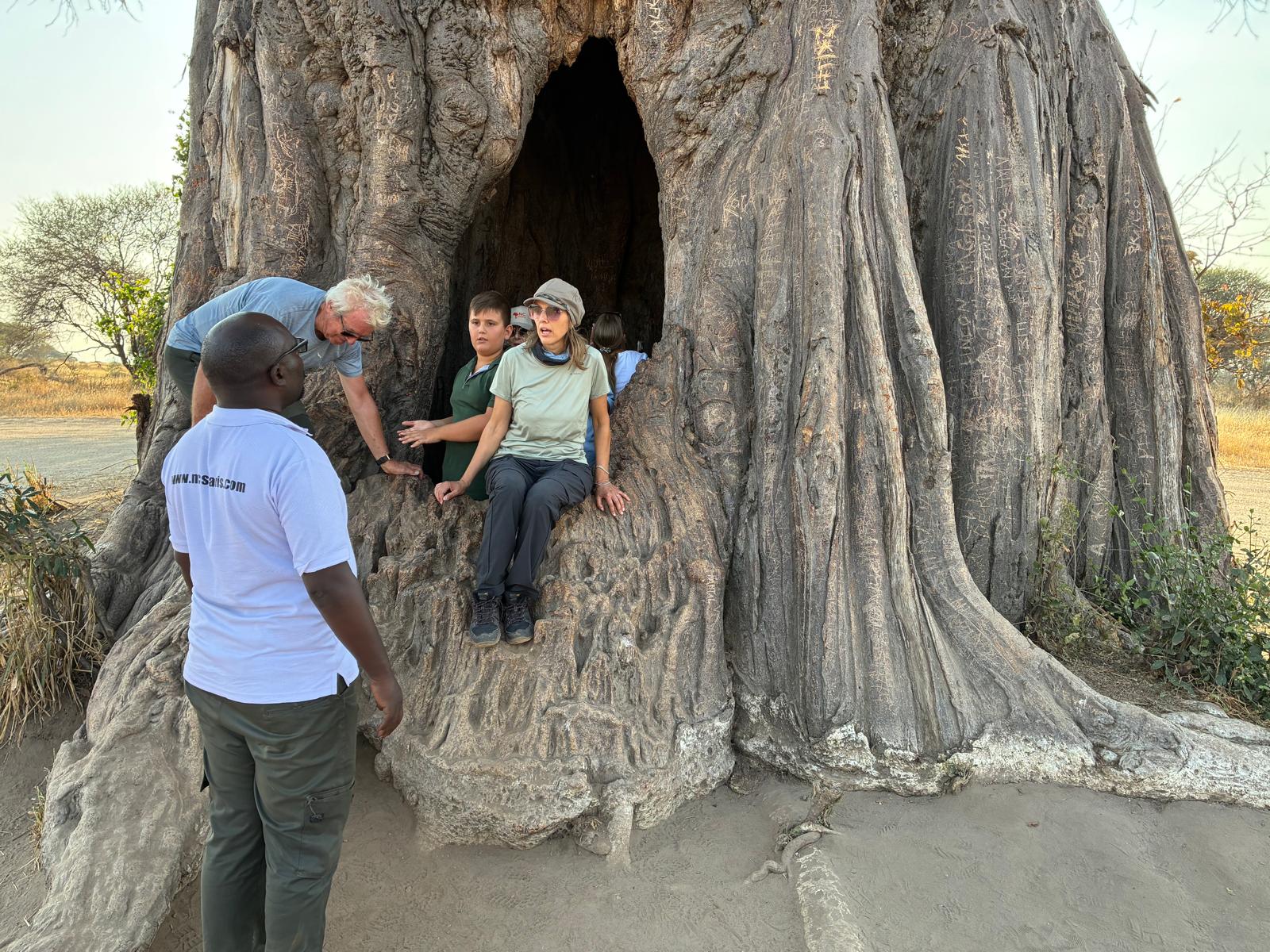
During guided activities, remain with your group and follow instructions about where and when you can move around independently.
Walking safaris, nature walks, and other outdoor activities should always be undertaken with an authorized guide or according to local regulations.
Choose comfortable, secure footwear suitable for the activity and terrain.
Let your guide know about relevant dietary requirements, allergies, mobility considerations, or other practical needs before activities begin.
National parks and protected areas have rules designed to protect wildlife, visitors, and the environment. Follow posted regulations and your guide’s instructions.
Tanzania is home to diverse communities and cultures. Dress appropriately, ask before photographing people, and respect local customs and traditions.
Dispose of waste properly and avoid taking natural items from protected areas. Responsible travel helps preserve Tanzania for future generations.
Save your accommodation details, safari operator contact information, travel insurance contacts, and relevant emergency numbers before your trip.
If you experience a problem during your safari, contact your guide or NC Safaris team rather than attempting to resolve a situation involving wildlife, transport, or unfamiliar areas on your own.
Every Tanzania journey is different. If you’re unsure about when to travel, where to go, how long to stay, or how to combine safari with Kilimanjaro or Zanzibar, the NC Safaris team can help you build an itinerary around your plans.