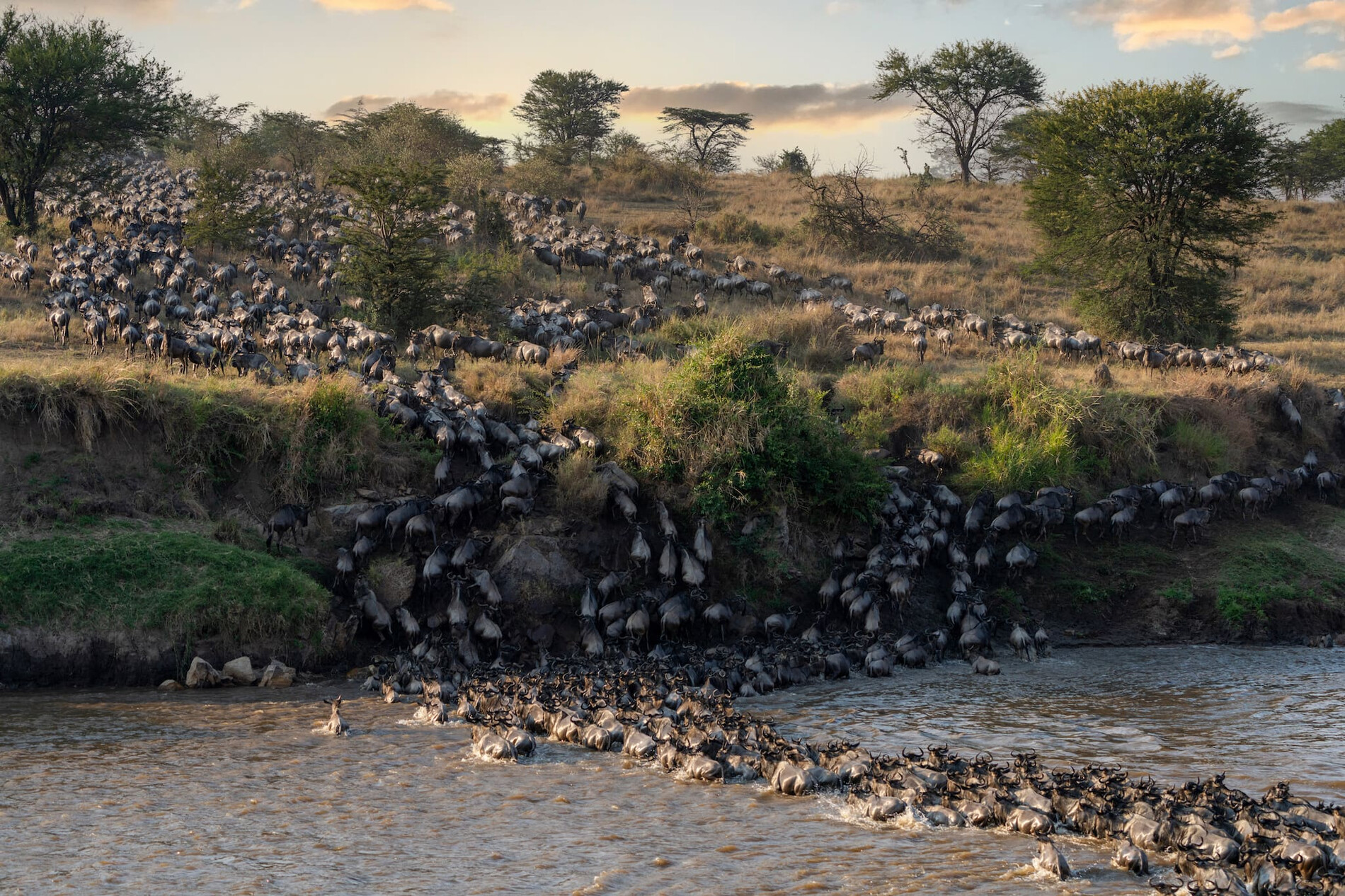
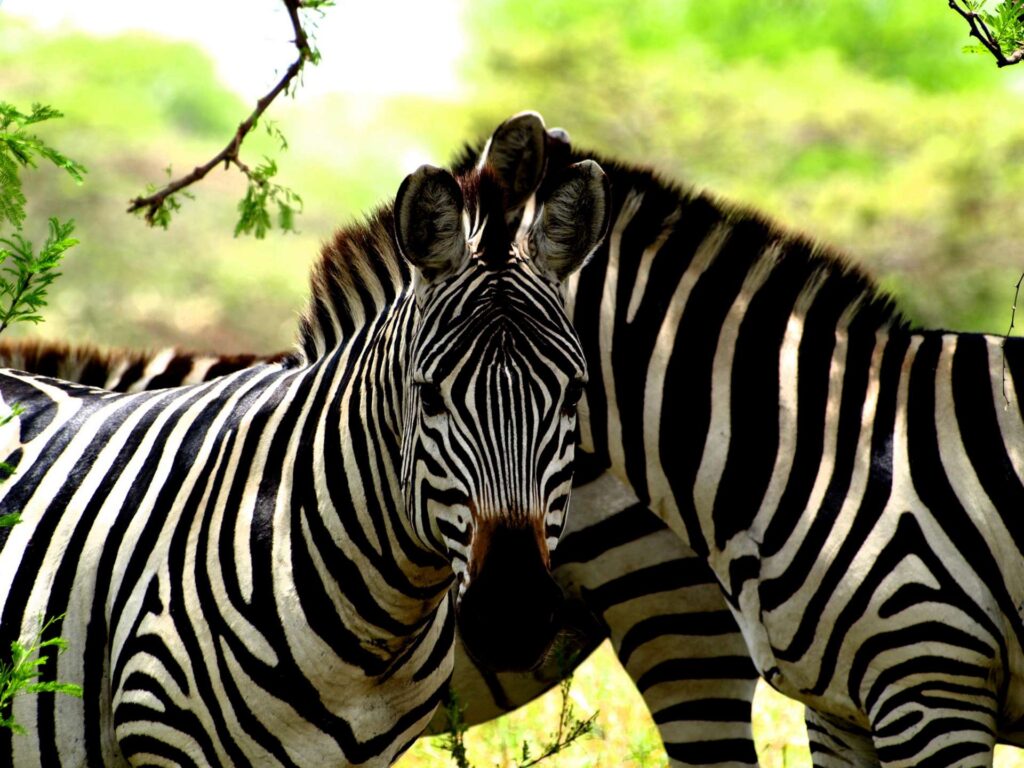
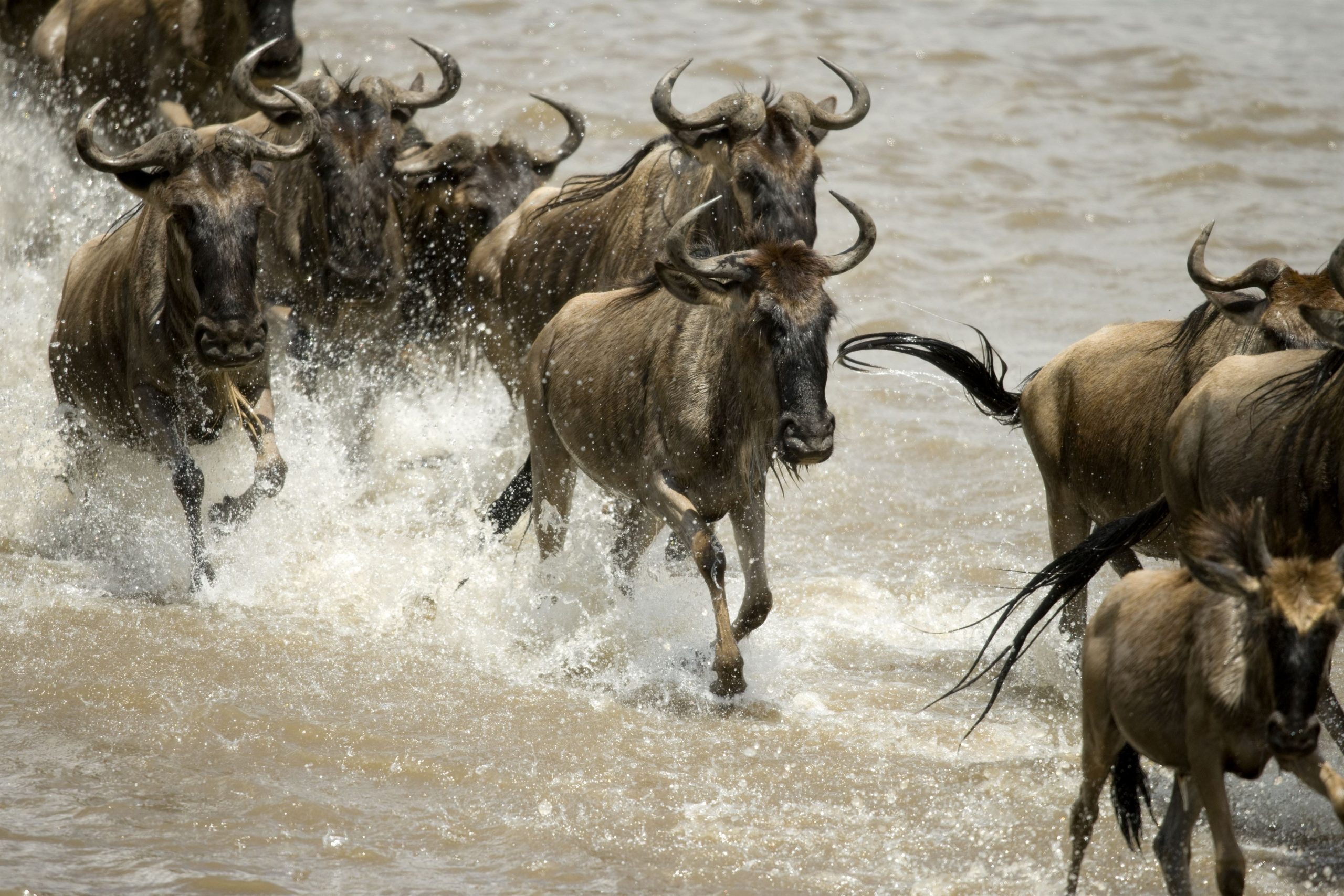
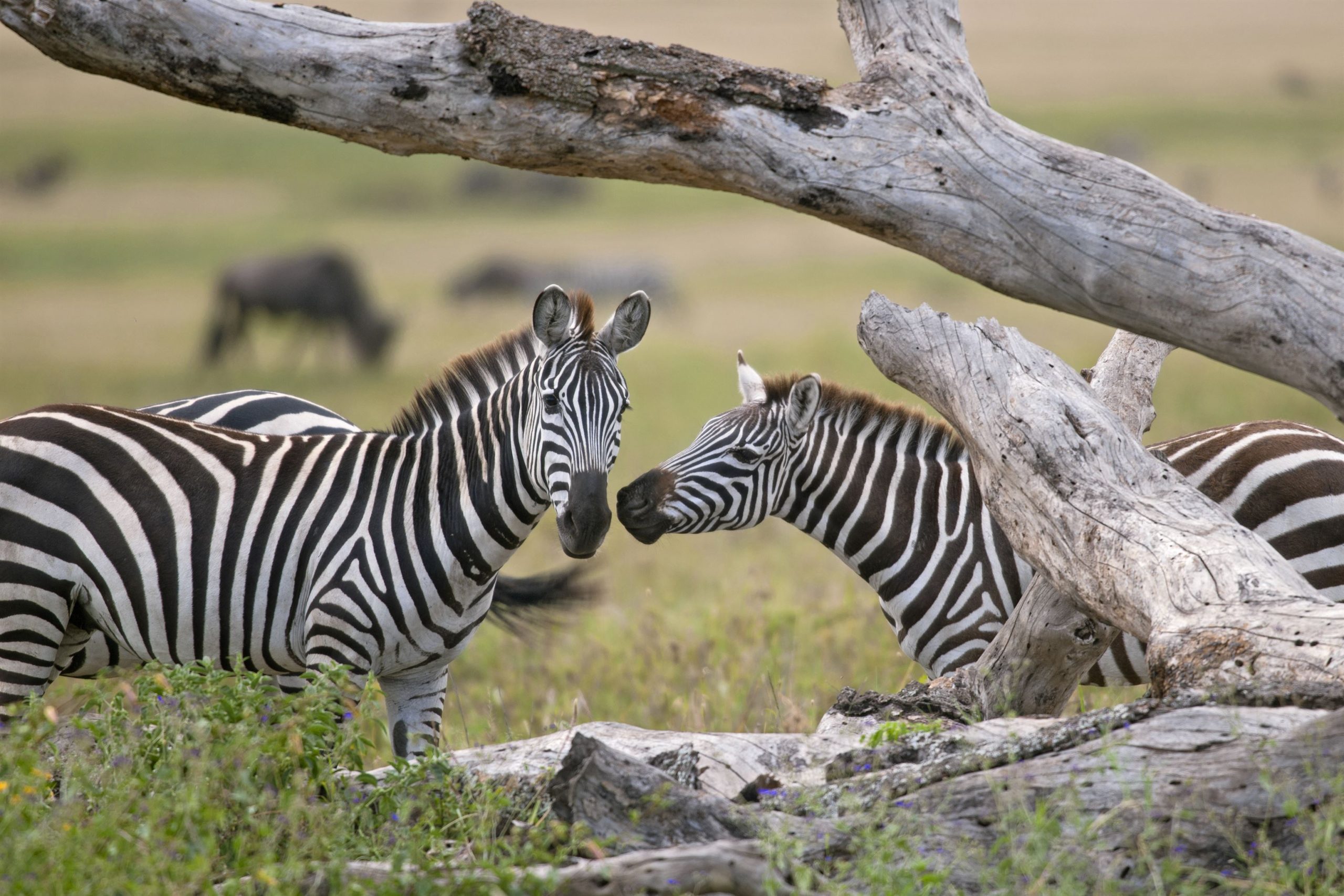
The Great Migration is an annual movement of more than a million wildebeest, along with large numbers of zebras and gazelles, across the Serengeti ecosystem and Kenya’s Maasai Mara. The migration follows seasonal rainfall, fresh grass, and water availability, making location and timing important when planning a Great Migration safari in Tanzania.
Where to Visit
Serengeti National Park
Serengeti National Park is the main destination for experiencing the Great Migration in Tanzania.
Different areas of the Serengeti become important at different stages of the migration, including the Southern Serengeti, Western Corridor, Central Serengeti, and Northern Serengeti.
The exact route depends on the migration season, road conditions, accommodation location, and safari duration.
Photography Safaris
The Great Migration provides opportunities for wildlife photography involving wildebeest, zebras, predators, dust, river crossings, and large herd movements.
Photographers should consider longer stays, specialized vehicles where available, and camps positioned close to the expected migration zone.
Great Migration and Big Five
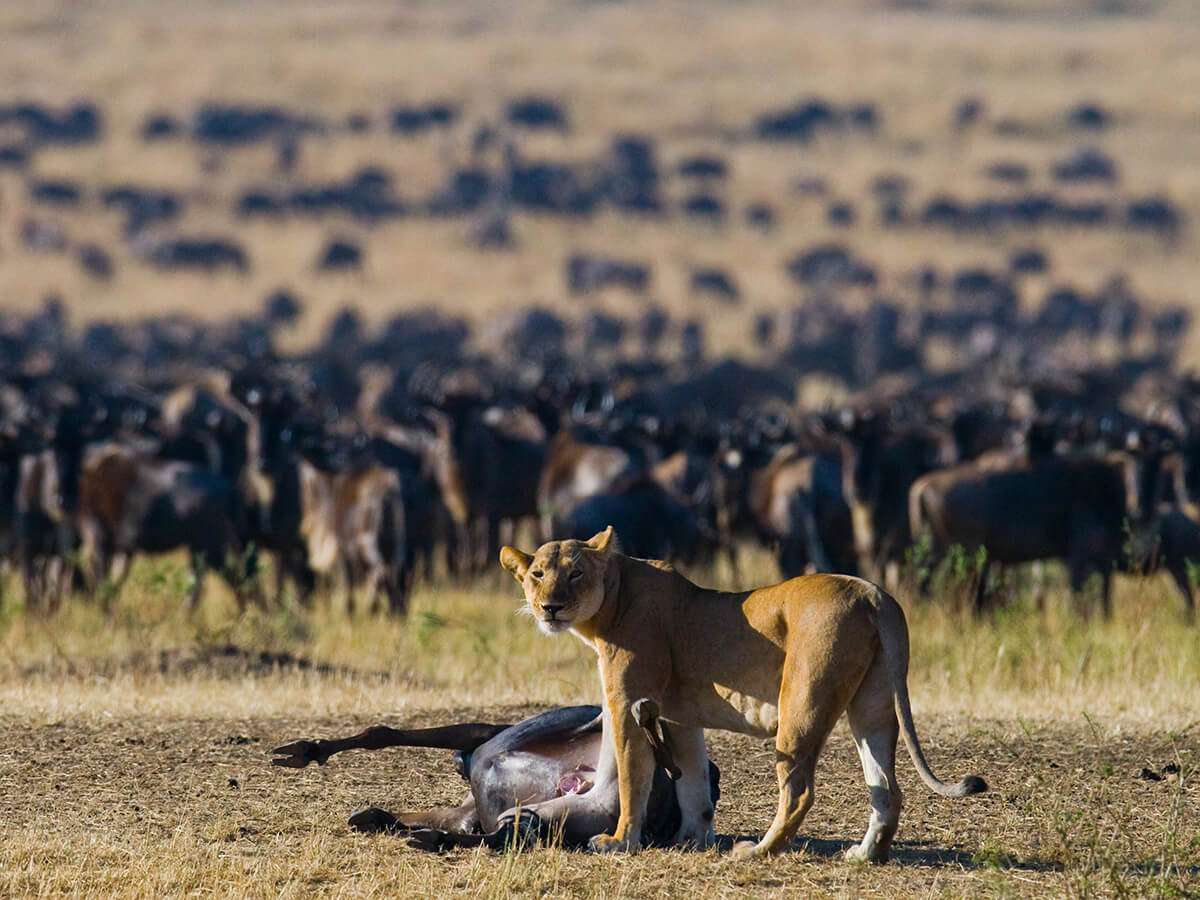
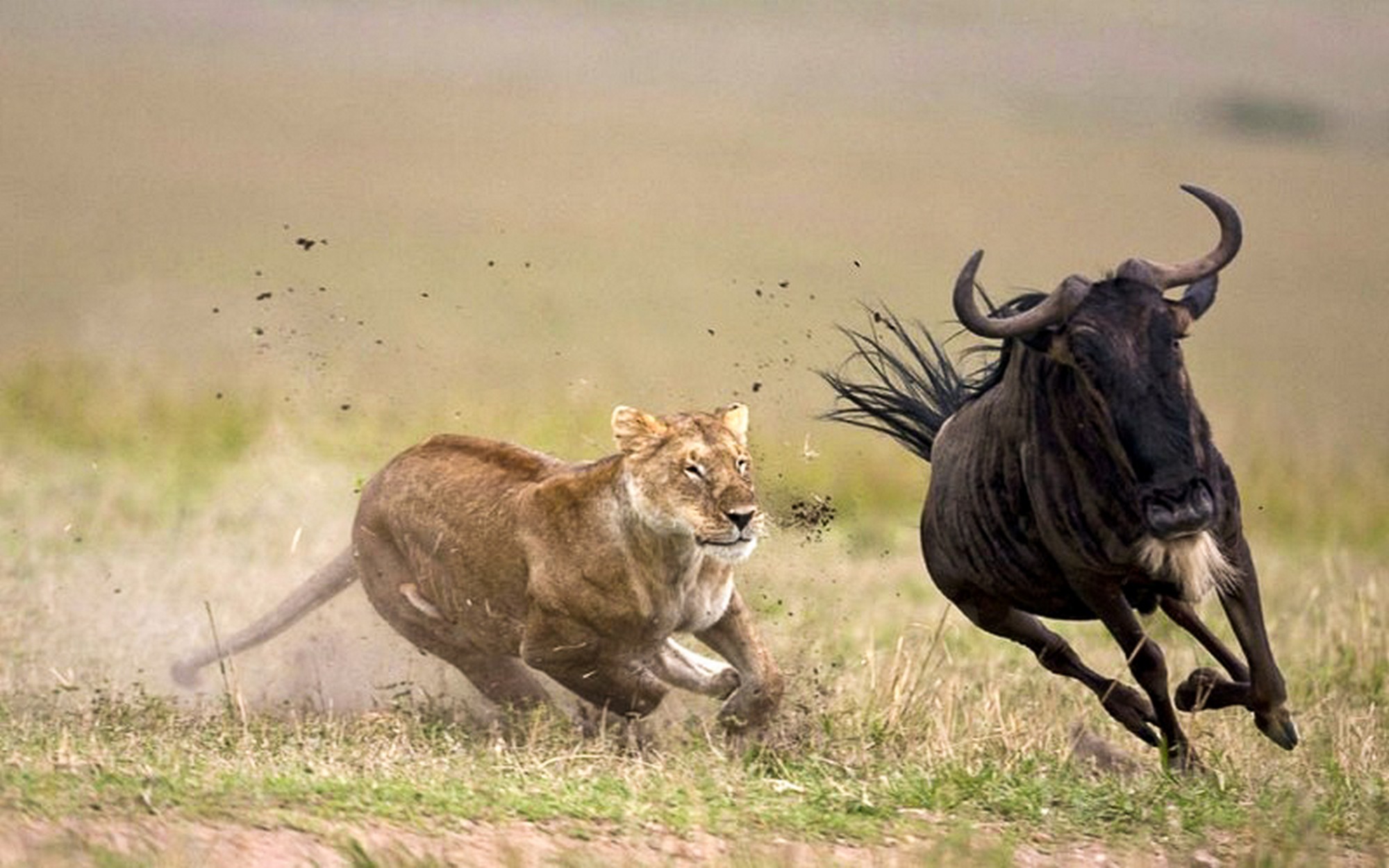
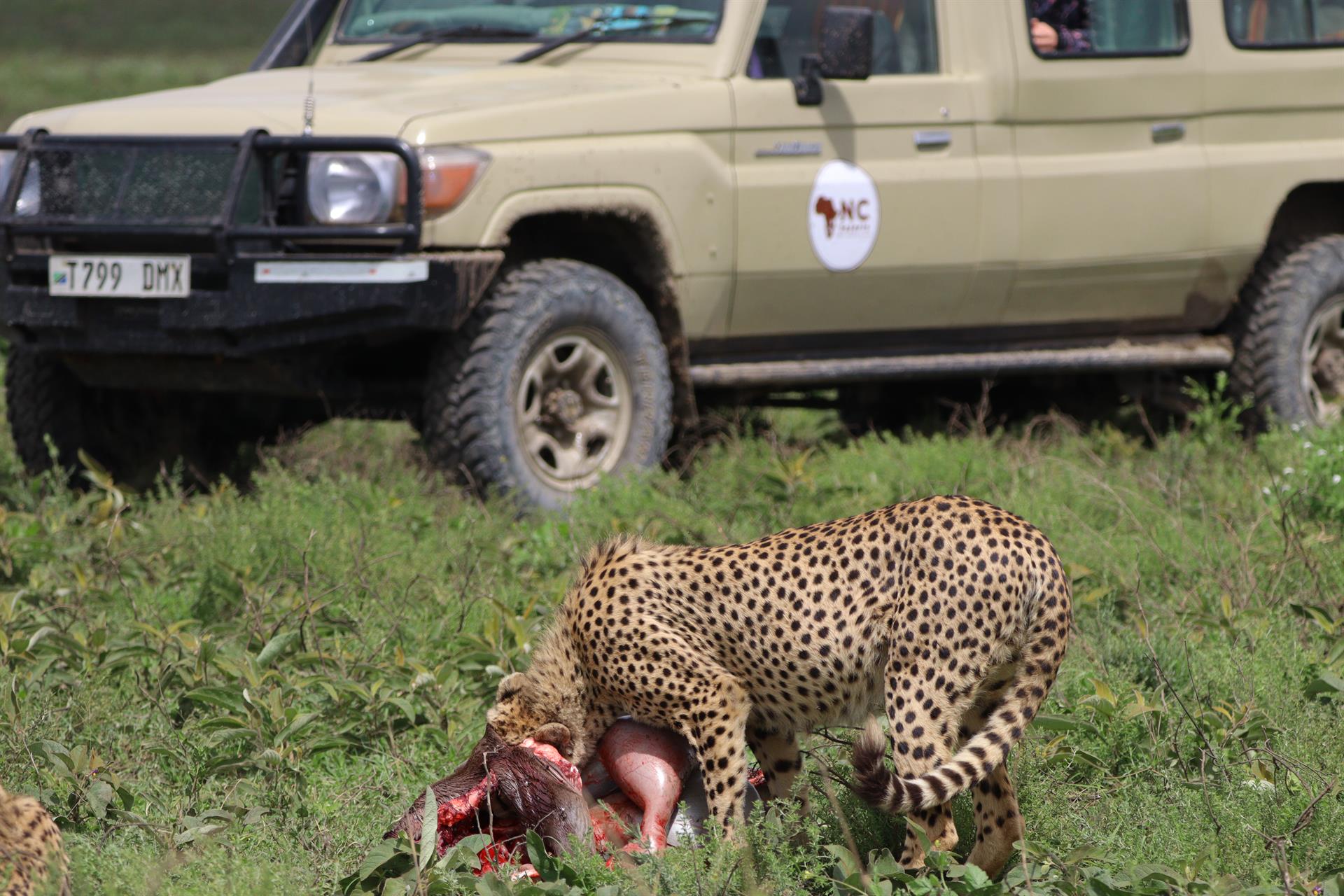
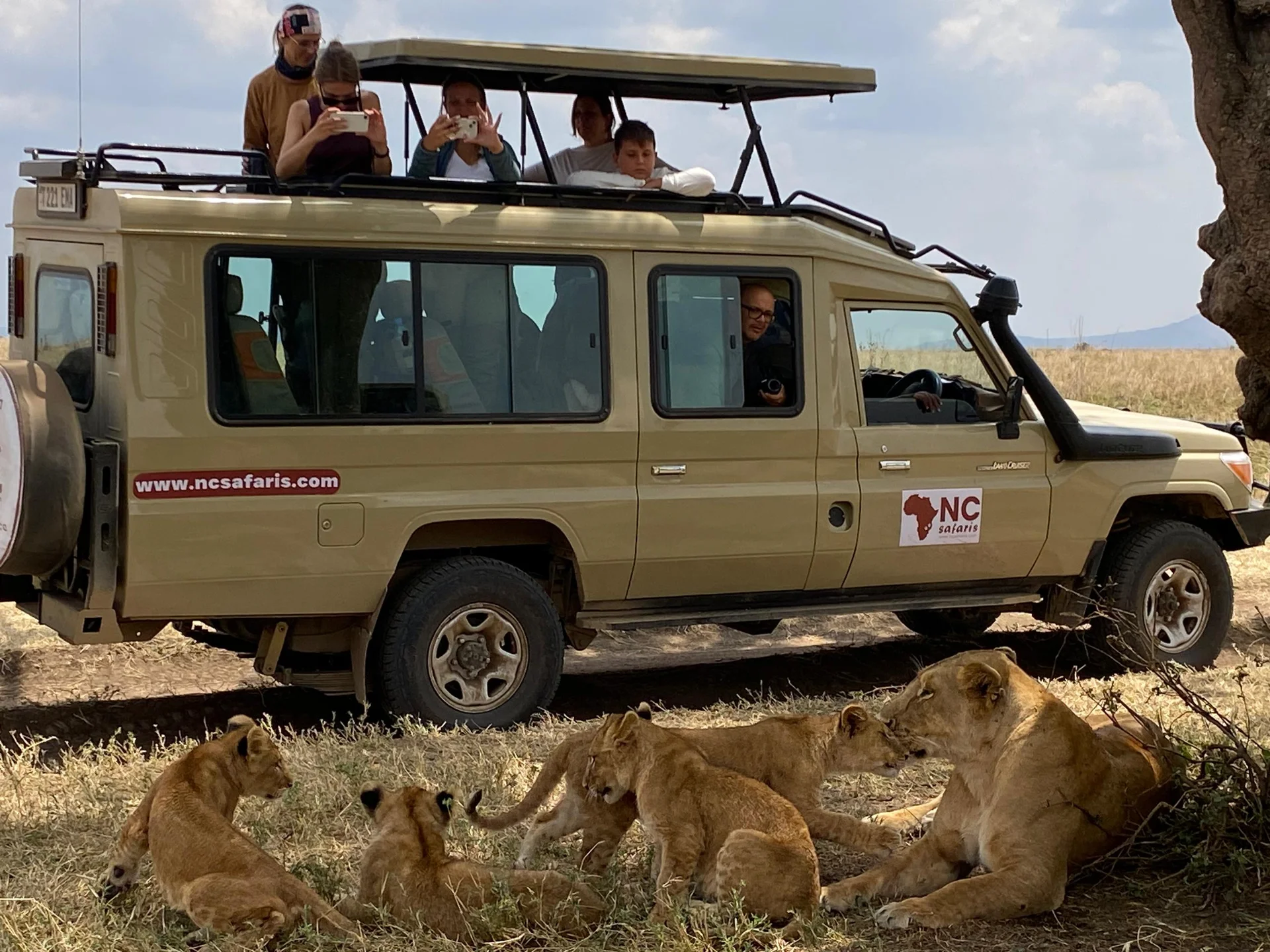
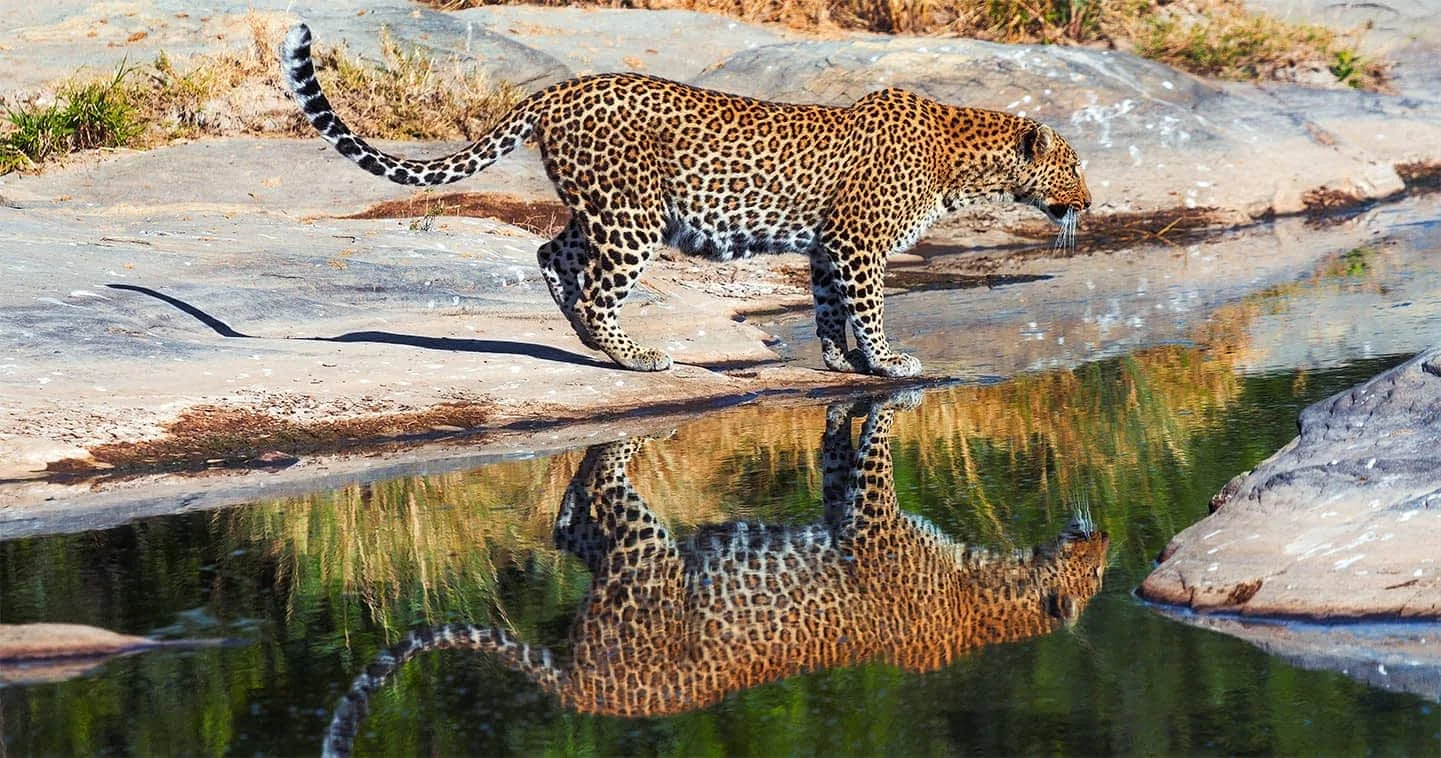
The migration can be combined with searches for lions, leopards, cheetahs, elephants, buffalo, and other Serengeti wildlife.
Predator sightings can be particularly productive when large concentrations of wildebeest and zebra are present.
Travel Advice
Do Not Plan Around an Exact Crossing Date
River crossings cannot be guaranteed on a particular day.
Migration timing changes according to rainfall, grass availability, water levels, and herd movement.
Choose Accommodation by Location
Accommodation location is critical during a Great Migration safari.
Staying close to the relevant migration zone reduces unnecessary driving and increases the amount of time available for game viewing.
Book Early
Peak migration periods can create high demand for camps, lodges, safari vehicles, and internal flights.
Book well in advance if traveling during July to October or during the calving season.
Allow Enough Safari Days
A longer itinerary increases the opportunity to encounter migrating herds because their movement is naturally unpredictable.
For river-crossing-focused safaris, spending several nights in northern Serengeti is generally more practical than making a short visit.
Great Migration Safari from Tanzania
Travelers can access the Serengeti through Arusha and Kilimanjaro International Airport, followed by road or scheduled charter flights into the park.
Internal flights can reduce travel time between Arusha and remote Serengeti areas, while road safaris provide additional opportunities to explore the landscape along the route.
Enquiry
Suggested Itineraries
Journeys Worth Taking
Not sure where your adventure should begin? Explore our handpicked itineraries, thoughtfully shaped around Tanzania’s most remarkable places, wildlife encounters, and unforgettable moments. Use them as inspiration for your own journey, or let us tailor one around the way you want to travel.