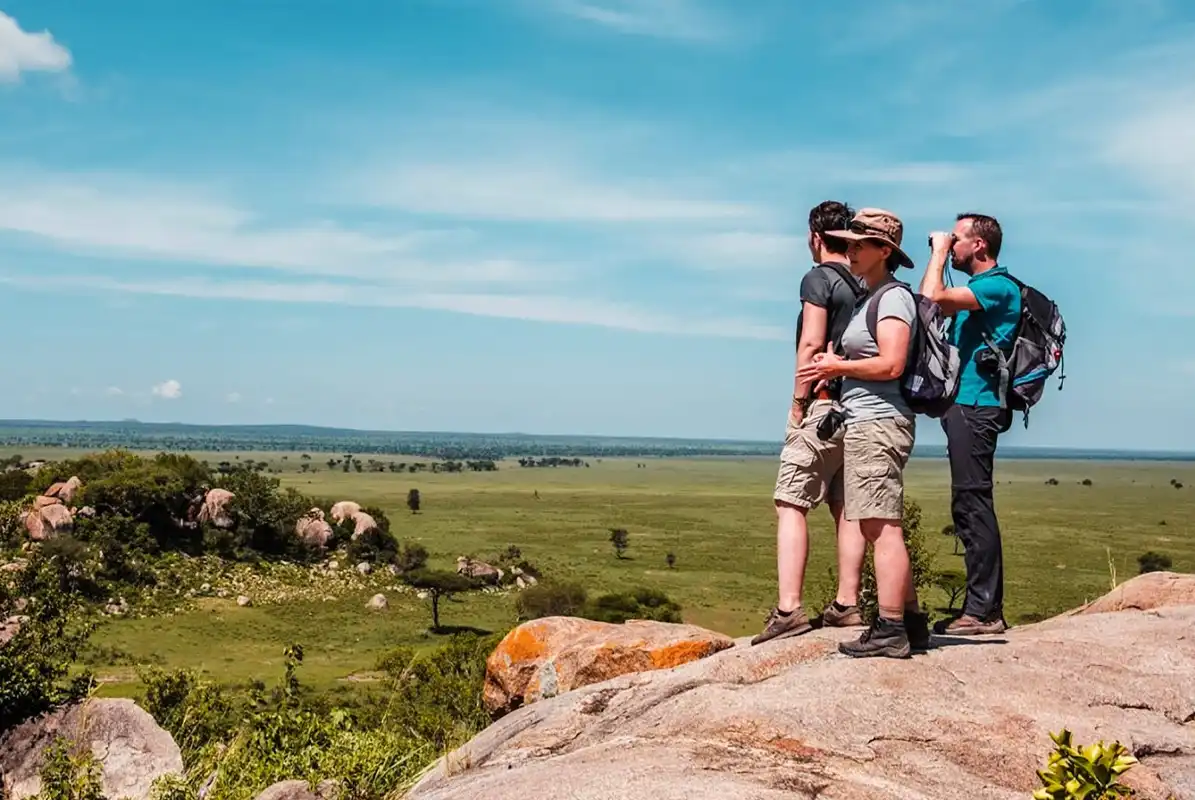
Walking safaris provide an opportunity to explore Tanzania’s natural landscapes on foot with a trained guide. Unlike vehicle-based game drives, walking safaris focus on tracks, plants, birds, insects, animal behavior, smaller wildlife, and the relationship between different parts of the ecosystem.
Arusha National Park offers walking experiences through forest, grassland, and montane environments.
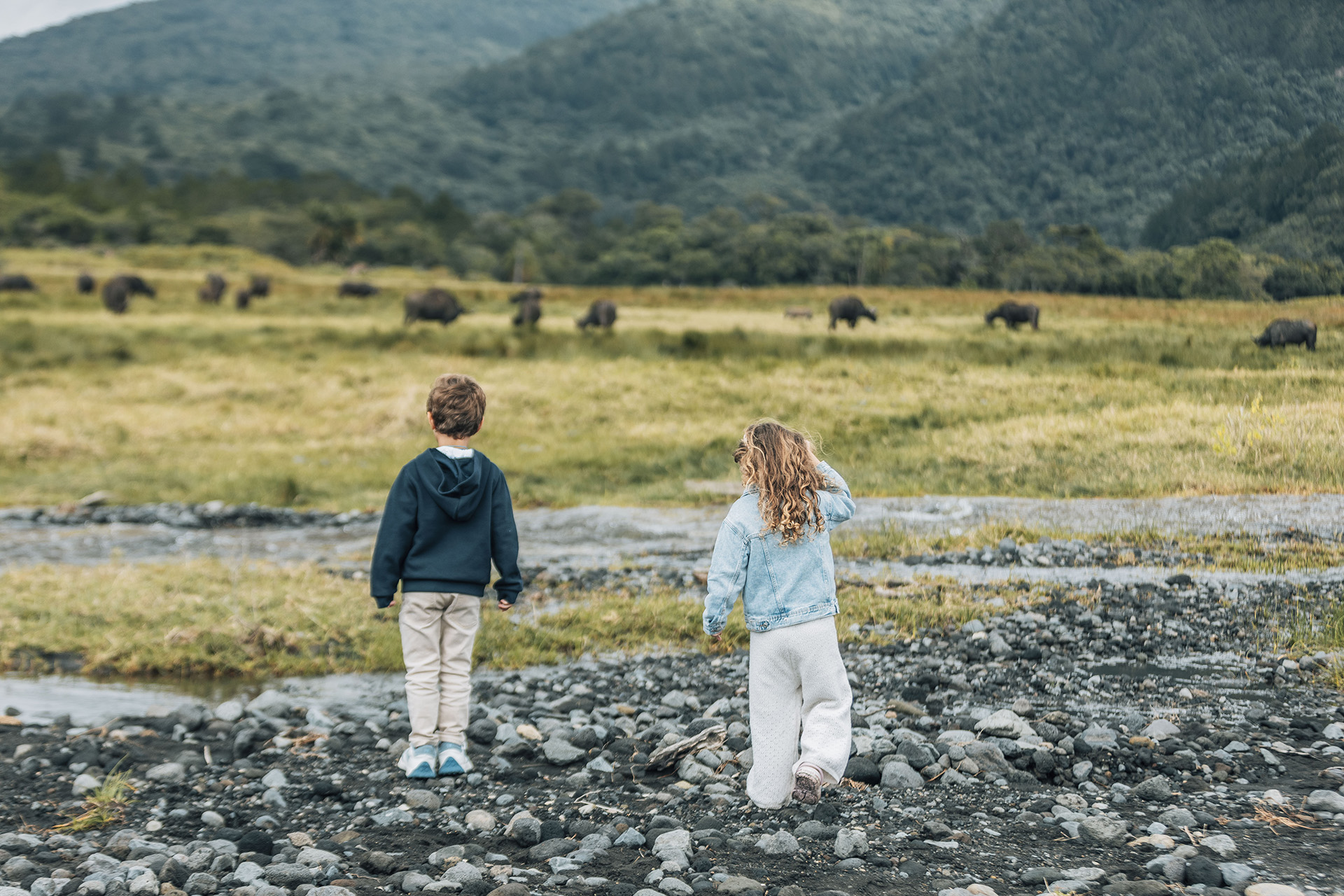
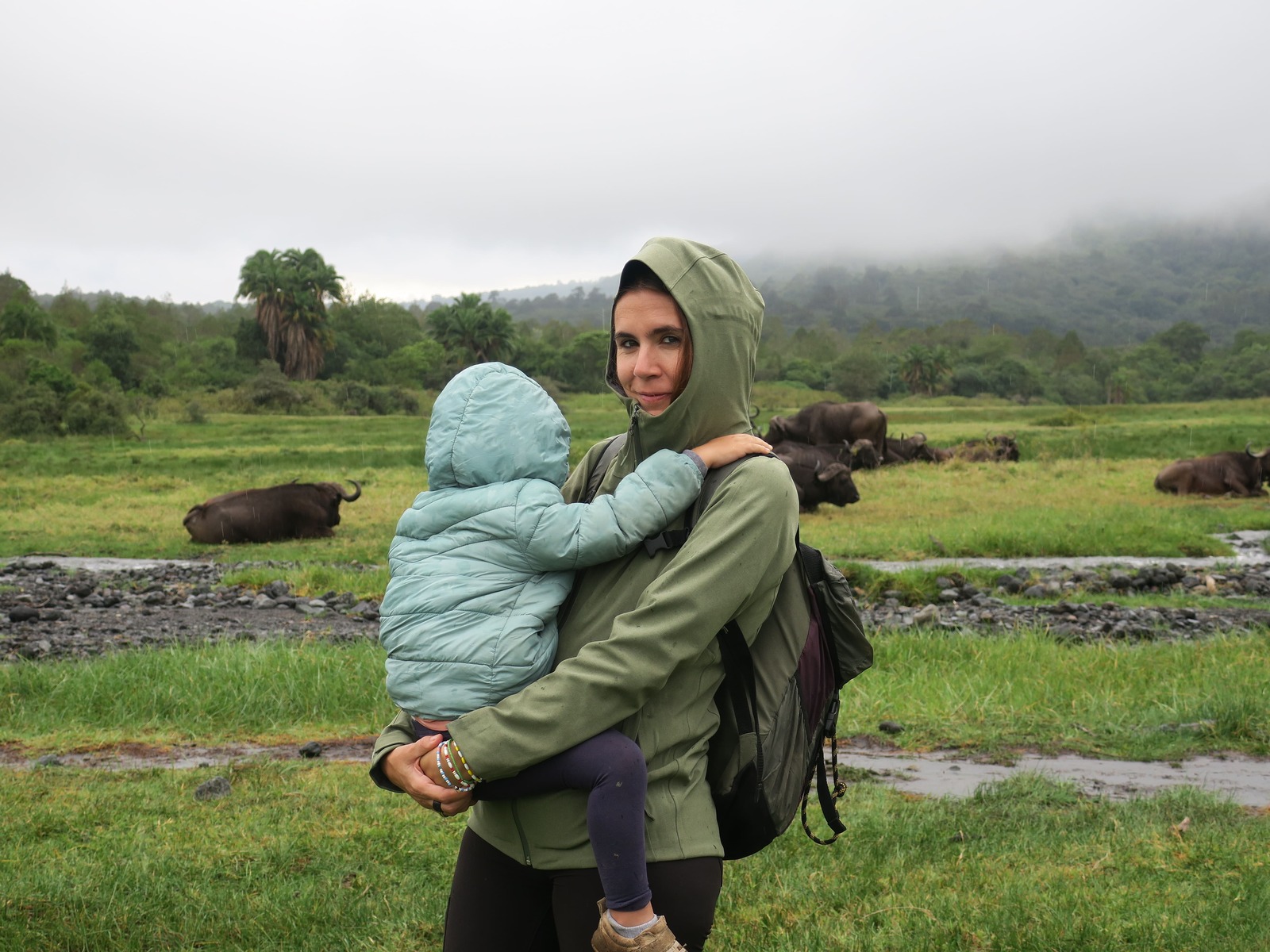
Walking routes can provide views of Mount Meru, giraffes, buffalo, monkeys, birds, and other wildlife depending on the area and conditions.
Tarangire is known for elephants, baobab trees, seasonal wetlands, and diverse birdlife.
Walking experiences in and around the Tarangire ecosystem can complement conventional game drives.
Lake Manyara provides opportunities to explore woodland, grassland, and lakeshore environments.
Walking activities can focus on birdlife, vegetation, tracks, and smaller species that are often overlooked from a safari vehicle.
Walking safaris are available in designated areas of the Serengeti through authorized operators and guides.
The experience allows travelers to study animal tracks, plants, insects, birds, and the smaller ecological details of the Serengeti.
Nyerere National Park is one of Tanzania’s important destinations for walking safari experiences.
Walking can provide access to parts of the ecosystem where guides can interpret animal tracks, vegetation, birds, and wildlife behavior at ground level.

June to October is generally a favorable period for walking safaris because of drier conditions and easier movement along many walking routes.
January and February can also provide suitable conditions in several destinations.
Walking remains possible during parts of the rainy seasons, but trails can become wet or muddy.
Rain can also affect road access and daily activity schedules, so flexibility is useful when traveling during March to May or November to December.
Early morning is often suitable for walking because temperatures are cooler and wildlife activity can be higher.
The guide determines the route according to weather, wildlife activity, terrain, and safety conditions.
Walking safari tours can range from short guided walks to longer multi-hour experiences.
The activity normally focuses on interpreting the environment rather than covering large distances.
Combining walking with game drives provides two different ways to experience Tanzania’s wildlife.
Game drives cover larger areas, while walking allows closer attention to tracks, plants, insects, birds, and other details of the ecosystem.
Walking activities can be added to itineraries covering Serengeti, Ngorongoro, Tarangire, Lake Manyara, Arusha, and Nyerere National Park.
The permitted walking areas depend on park regulations and the specific operator.
Some safari itineraries combine walking with mobile or wilderness camping.
These trips require appropriate preparation because travelers spend more time exposed to outdoor conditions and may travel through remote areas.
Always use an authorized professional guide for walking safaris in wildlife areas.
Do not leave designated routes or approach wildlife independently.
Maintain the distance instructed by the guide and remain quiet when wildlife is nearby.
Never attempt to approach, feed, provoke, or attract wild animals.
Wear neutral-colored, comfortable clothing and sturdy closed shoes suitable for uneven terrain.
Long trousers, a hat, sunscreen, and insect repellent are useful for outdoor walking.
Carry drinking water, a small backpack, binoculars, sunscreen, insect repellent, and a camera if permitted.
Keep equipment lightweight because walking conditions can become demanding.
Walking safari difficulty varies according to distance, terrain, temperature, and duration.
Tell the operator about your fitness level before selecting a longer walking route.
Responsible walking safaris should follow park regulations and minimize disturbance to wildlife and vegetation.
Using local guides and authorized operators also supports regulated tourism and conservation activities.
Not sure where your adventure should begin? Explore our handpicked itineraries, thoughtfully shaped around Tanzania’s most remarkable places, wildlife encounters, and unforgettable moments. Use them as inspiration for your own journey, or let us tailor one around the way you want to travel.