
6-7 Day Rongai Route

Home » Mt. Kilimanjaro » 6-7 Day Rongai Route

6-7 Day Rongai Route

The 6-7 Day Rongai Route approaches Mount Kilimanjaro from the northern side near the Tanzania–Kenya border. The route is known for its relatively quiet trails, gradual ascent, and distinctive northern landscapes before joining the eastern side of the mountain for the summit. The six-day itinerary is more direct, while the seven-day option provides additional time for acclimatization and a slower trekking pace.

Key Highlights:
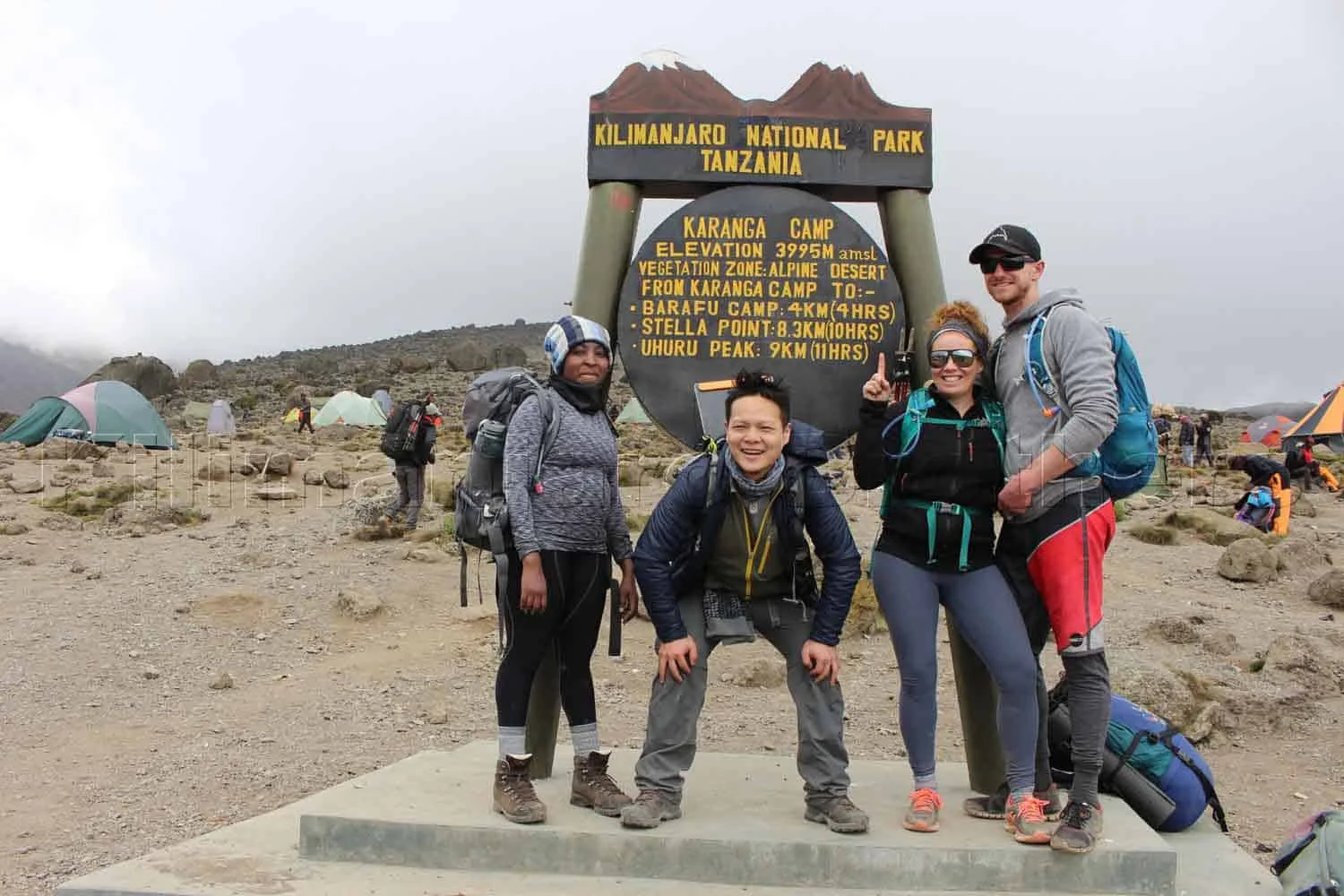
  • Rongai Route: The only major Kilimanjaro trekking route that approaches the mountain from the northern side.
  • Northern Approach: The route provides a different perspective of Kilimanjaro with views across the northern slopes.
  • Lower Traffic: Rongai is generally quieter than the more popular Marangu and Machame routes.
  • Gradual Ascent: The route provides a steady approach through different mountain zones, supporting acclimatization.
6-7 Day Rongai Route hiking package on Mount Kilimanjaro in Tanzania
  • Mawenzi Views: The route passes near Mawenzi Peak and provides striking views of Kilimanjaro’s second volcanic summit.
  • Kibo Summit: Trekkers approach the summit zone before making the final ascent toward Uhuru Peak.
  • Uhuru Peak: The ultimate objective is Uhuru Peak at 5,895 metres (19,341 feet), the highest point in Africa.
  • 7-Day Advantage: The additional day provides more time for acclimatization and reduces the pressure of a compressed trekking schedule.

The 6-7 Day Rongai Route combines a quieter northern approach with varied landscapes and access to the summit of Mount Kilimanjaro. The seven-day option is particularly suitable for trekkers who prefer a slower pace and additional acclimatization time.

Summary

Tour Duration: 6-7 Days

Destinations Visited

Mount Kilimanjaro National Park, Rongai Gate, Simba Camp, Kikelelwa Camp, Mawenzi Tarn, Kibo Hut, Uhuru Peak, and Horombo Hut.

Other Routes

Day by Day Itinerary

Day 1: Rongai Gate to Simba Camp
The trek begins at Rongai Gate on the northern side of Mount Kilimanjaro. The trail passes through cultivated land and montane vegetation before reaching Simba Camp.
The route continues through moorland toward Kikelelwa Camp. The landscape becomes more open as the trail gains elevation and approaches the higher mountain zones.
Trekkers continue toward Mawenzi Tarn, located beneath the dramatic slopes of Mawenzi Peak. The shorter trekking distance allows time for acclimatization while exploring the surrounding high-altitude landscape.
The trail crosses the Saddle between Mawenzi and Kibo peaks. The landscape becomes increasingly barren as trekkers enter the alpine desert zone before reaching Kibo Hut.
The summit attempt begins during the early hours. Trekkers ascend toward Gilman’s Point before continuing along the crater rim toward Uhuru Peak. After reaching the summit, the descent continues toward Horombo Hut.
The final descent passes through the moorland and rainforest zones before reaching Marangu Gate, where the trek ends.
For the 7-day option, an additional acclimatization day can be incorporated before the final approach to Kibo. The extra day provides greater flexibility for altitude adjustment and allows the itinerary to progress at a slower pace.

The 6-7 Day Rongai Route offers a northern approach to Kilimanjaro with quieter trails, Mawenzi views, and a gradual transition through the mountain’s ecological zones. The seven-day itinerary provides additional acclimatization time before the summit attempt.
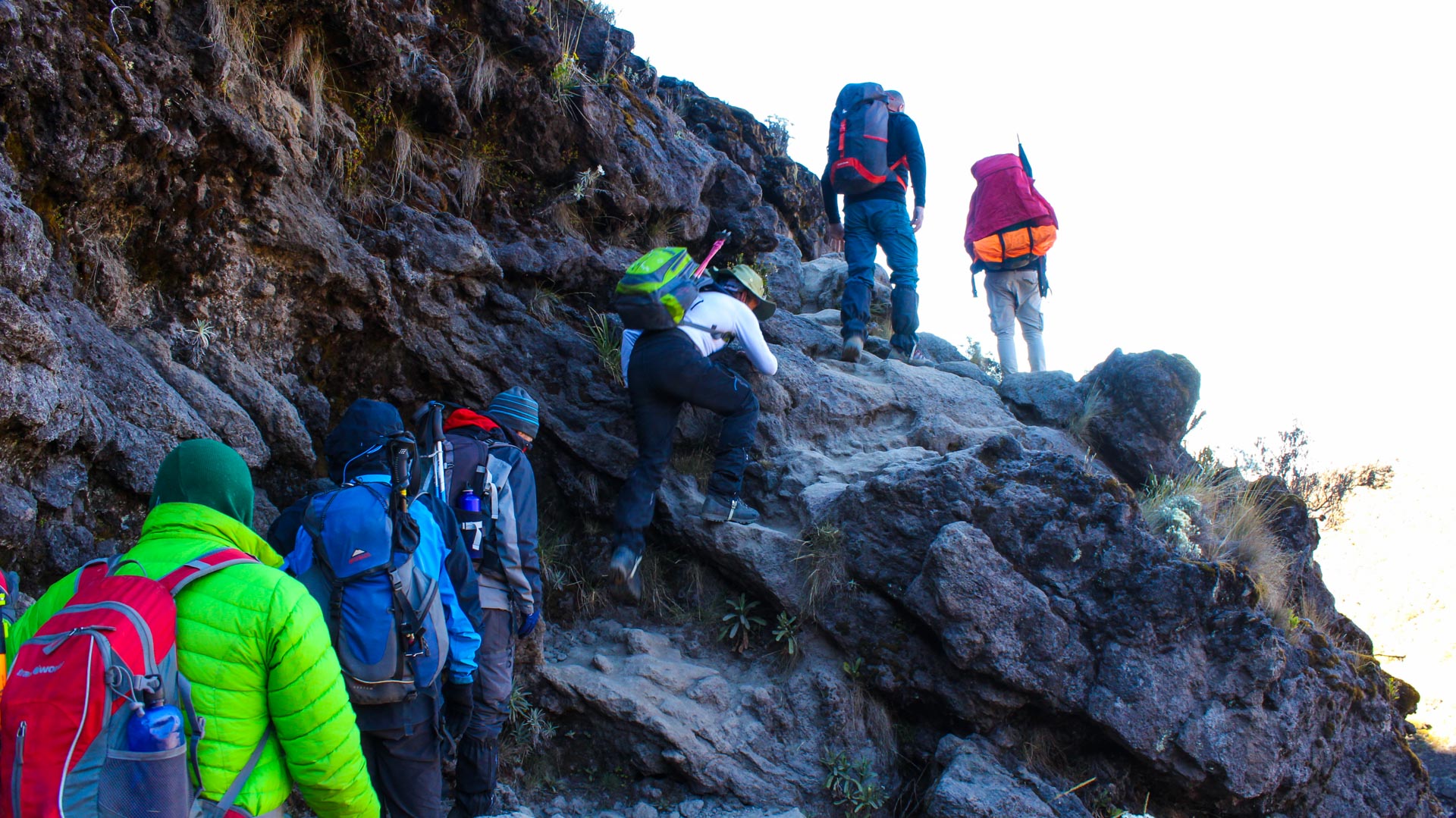
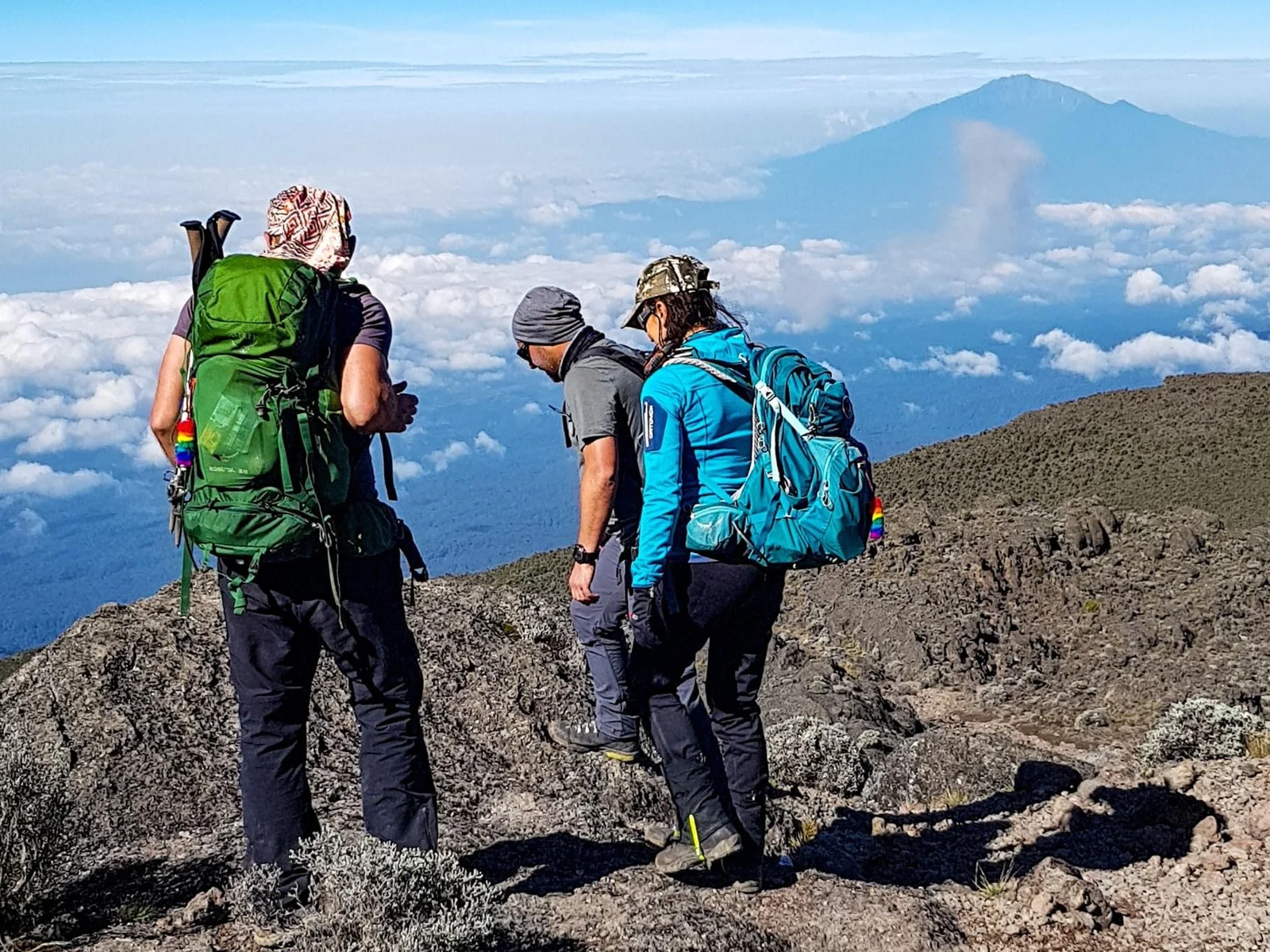
Why Choose The Rongai Route?

  • Northern Approach — Experience Kilimanjaro from its northern slopes.
  • Lower Traffic — Generally quieter than the busiest southern routes.
  • Gradual Ascent — A steady approach provides useful acclimatization opportunities.
  • Mawenzi Tarn — Overnight near the dramatic Mawenzi Peak.
  • Unique Scenery — Northern landscapes differ from the rainforest-heavy southern approaches.
  • 6 or 7 Days — Choose a more direct itinerary or allow additional acclimatization time.
  • Wildlife Possibilities — The lower northern slopes can provide occasional views of wildlife before entering higher elevations.
  • Experienced Guides — Professional guides provide navigation, pacing, and altitude-management support.
  • Uhuru Peak — The route ultimately leads to Africa’s highest point at 5,895 metres.

Enquiry