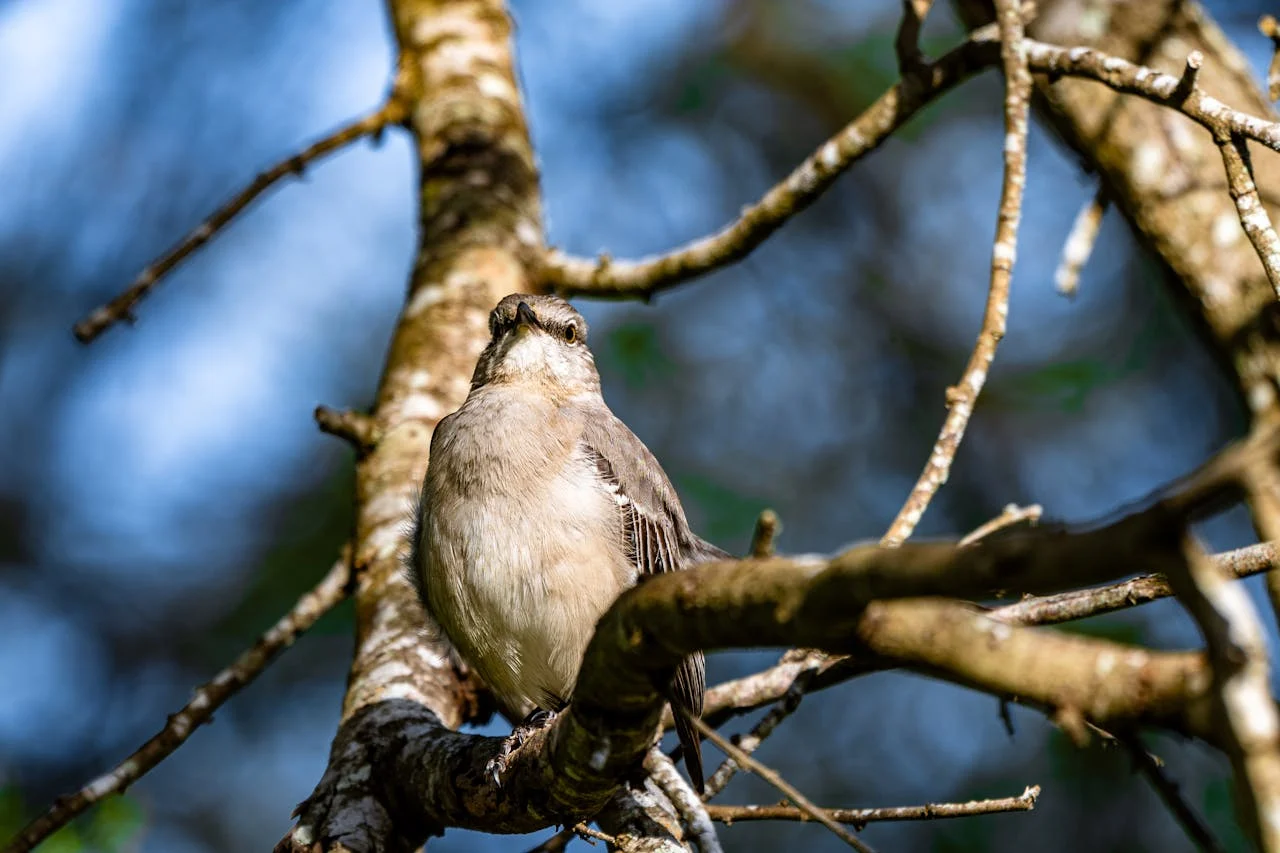
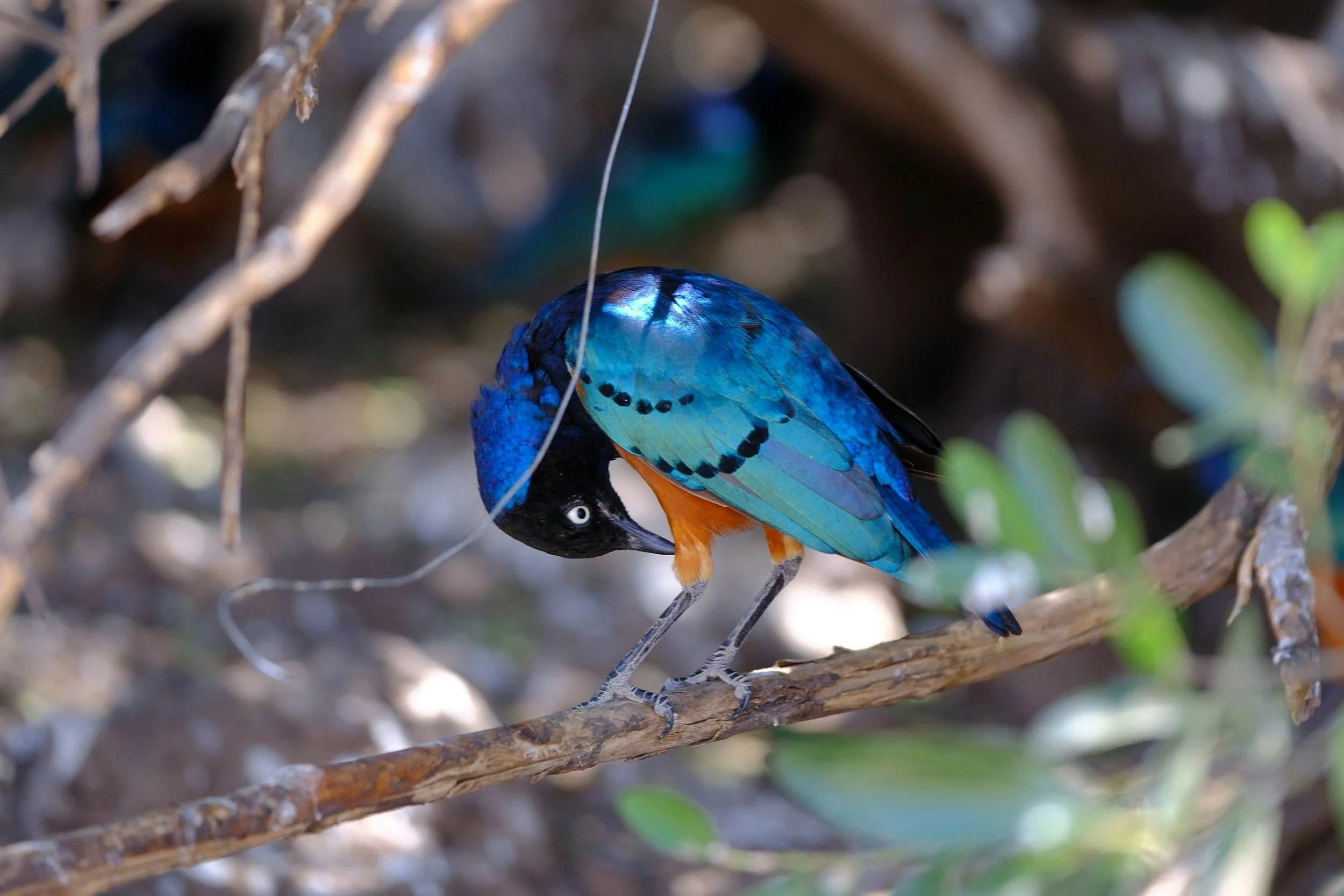
Serengeti supports diverse birdlife across open grasslands, woodland, rivers, and seasonal wetlands.
Bird watching can be combined with game drives targeting species such as kori bustard, secretary bird, ostriches, vultures, eagles, and other raptors.
The Ngorongoro ecosystem contains forests, crater grasslands, highland areas, and lakes that support different bird species.
Lake Magadi inside the Ngorongoro Crater can attract flamingos and other waterbirds.
Lake Manyara is an important birding destination because of its combination of lake, wetland, woodland, and groundwater forest habitats.
Birders may encounter flamingos, pelicans, storks, herons, egrets, kingfishers, hornbills, and numerous woodland species.
Tarangire offers diverse bird habitats associated with the Tarangire River, seasonal wetlands, baobab woodland, and savanna.
The park is suitable for combining bird watching with elephant and general wildlife viewing.
Arusha National Park includes montane forest, grassland, crater landscapes, and wetland habitats.
The variety of elevations and ecosystems supports a wide range of forest and highland bird species.
Nyerere contains riverine forest, woodland, wetlands, and open habitats that support substantial bird diversity.
Boat safaris along the Rufiji River provide another way to observe waterbirds and species associated with river habitats.
Zanzibar offers opportunities to observe coastal, forest, wetland, and endemic island bird species.
Jozani Forest is particularly relevant for travelers interested in forest birding alongside the Zanzibar red colobus.

November to April is generally an excellent period for bird watching because many migratory birds are present in Tanzania.
Resident species can be observed throughout the year.
European and other Palearctic migrants commonly reach East Africa during the northern hemisphere winter.
November through March can therefore provide strong opportunities for observing both resident and migratory species.
June to October remains suitable for bird watching and is particularly convenient for combining birding with wildlife safaris.
Water sources and remaining wetlands can concentrate birds during drier periods.
Birding itineraries can cover several ecosystems rather than focusing on a single national park.
Northern Tanzania routes can combine Arusha, Tarangire, Lake Manyara, Ngorongoro, and Serengeti.
Specialist birding safaris allow more time for identifying species, studying behavior, and visiting habitats selected specifically for bird diversity.
A specialist guide can improve identification through knowledge of bird calls, habitats, seasonal movements, and field marks.
Bird watching can be incorporated into a conventional Tanzania safari without making the entire itinerary exclusively bird-focused.
Game drives can include dedicated birding stops while still allowing time for elephants, lions, giraffes, zebras, and other wildlife.
Bird photography requires patience, appropriate lenses, and sufficient time in productive habitats.
Private vehicles can provide greater flexibility for positioning and waiting for bird activity.
Walking safaris can provide closer access to forest and terrestrial bird habitats.
Boat safaris on waterways such as the Rufiji River provide opportunities to observe waterbirds, kingfishers, herons, egrets, storks, and other aquatic species.
A specialist birding guide can identify species by appearance, calls, habitat, and behavior.
This is particularly valuable for distinguishing similar-looking species.
Binoculars are essential for observing birds at a safe distance without disturbing them.
A field guide or bird identification application can also help with species identification.
A telephoto lens is useful for photographing birds that remain high in trees or far from safari vehicles.
Keep camera equipment protected from dust, rain, and humidity.
Record species names, locations, dates, and notable observations during the safari.
A detailed bird list helps document the trip and can support future identification.
Avoid chasing birds, playing recordings repeatedly, or disturbing nesting sites to obtain photographs.
Follow park regulations and maintain appropriate distances from birds and other wildlife.
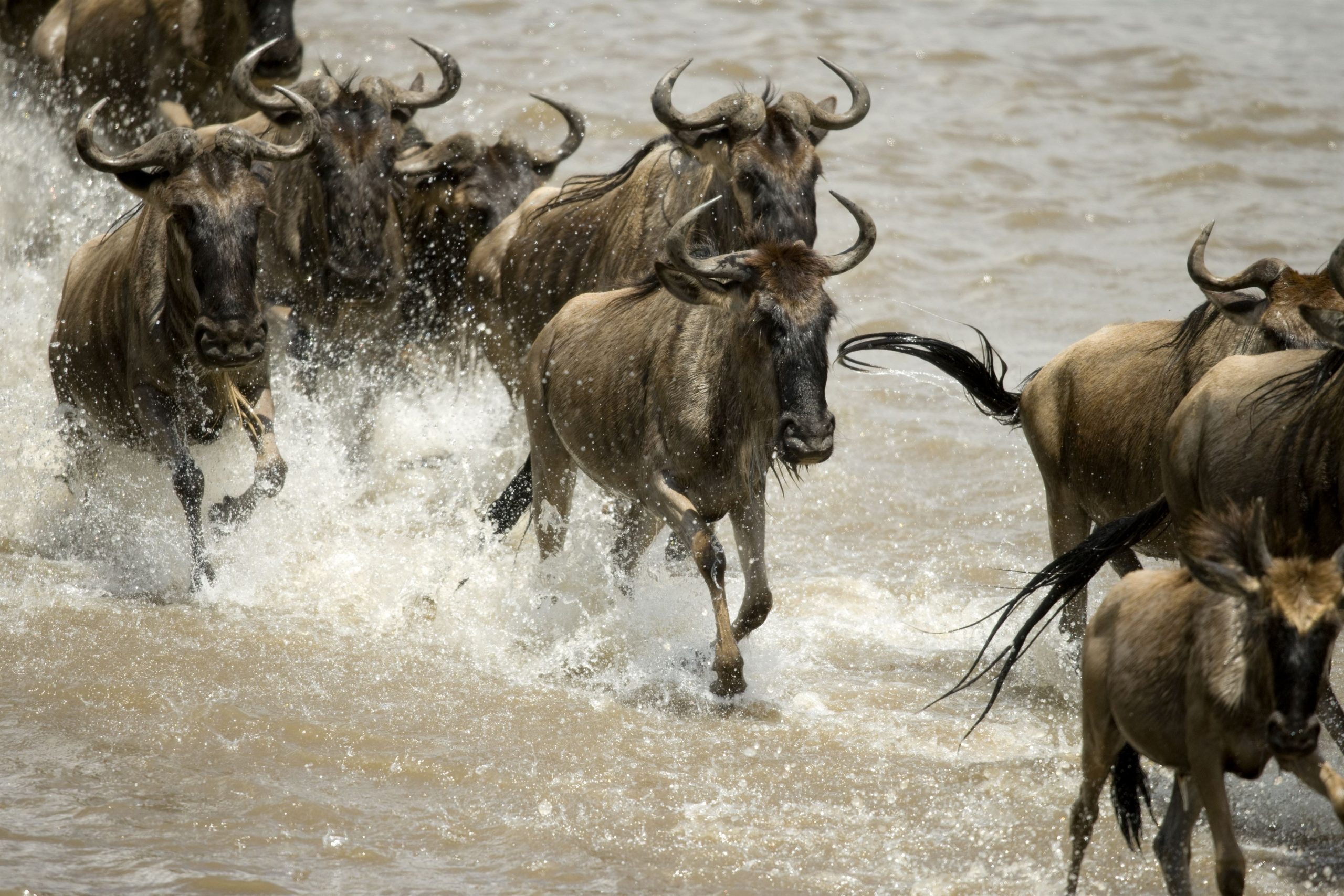
Bird watching can be combined with game drives, walking safaris, boat safaris, cultural tours, and the Great Migration.
This allows travelers to explore Tanzania’s ecosystems while targeting both specialist bird species and larger wildlife.
Not sure where your adventure should begin? Explore our handpicked itineraries, thoughtfully shaped around Tanzania’s most remarkable places, wildlife encounters, and unforgettable moments. Use them as inspiration for your own journey, or let us tailor one around the way you want to travel.